Ask any parent juggling a full-time job, school pickups, and a household to run, and they’ll probably tell you the same thing: they couldn’t do it without grandma and grandpa. Across the country, grandparents are stepping into roles that look very different from the occasional weekend visit or holiday gathering their own grandparents might have provided. From daily childcare to financial support to full-time custody arrangements, today’s grandparents are becoming genuine partners in raising the next generation.
Why This Shift Is Happening
Several forces have converged to push grandparents into more active roles. The cost of childcare has increased dramatically, often rivaling or exceeding the cost of housing in many areas.
Geographic patterns have shifted, too. While plenty of families still live far apart, there’s been a noticeable trend of adult children moving back closer to their parents once kids enter the picture, or grandparents relocating to be nearer to grandchildren.
Then there’s the matter of longevity and health. Grandparents today are often healthier and more active later into life than previous generations. A 68-year-old grandmother today might have decades of active, engaged life ahead of her. That extended life gives her plenty of time and energy to be helpful rather than someone who needs care for herself.
Economic pressures on younger families play a role as well. Stagnant wages relative to the cost of living, student loan debt, and housing costs have made it harder for many young parents to be fully self-sufficient. Grandparents stepping in with financial help, free childcare, or even shared housing arrangements have become a practical response to these pressures.
The Childcare Backbone
For many families, grandparents have become the backbone of childcare arrangements. This ranges from occasional babysitting to genuine full-time care that allows parents to maintain careers.
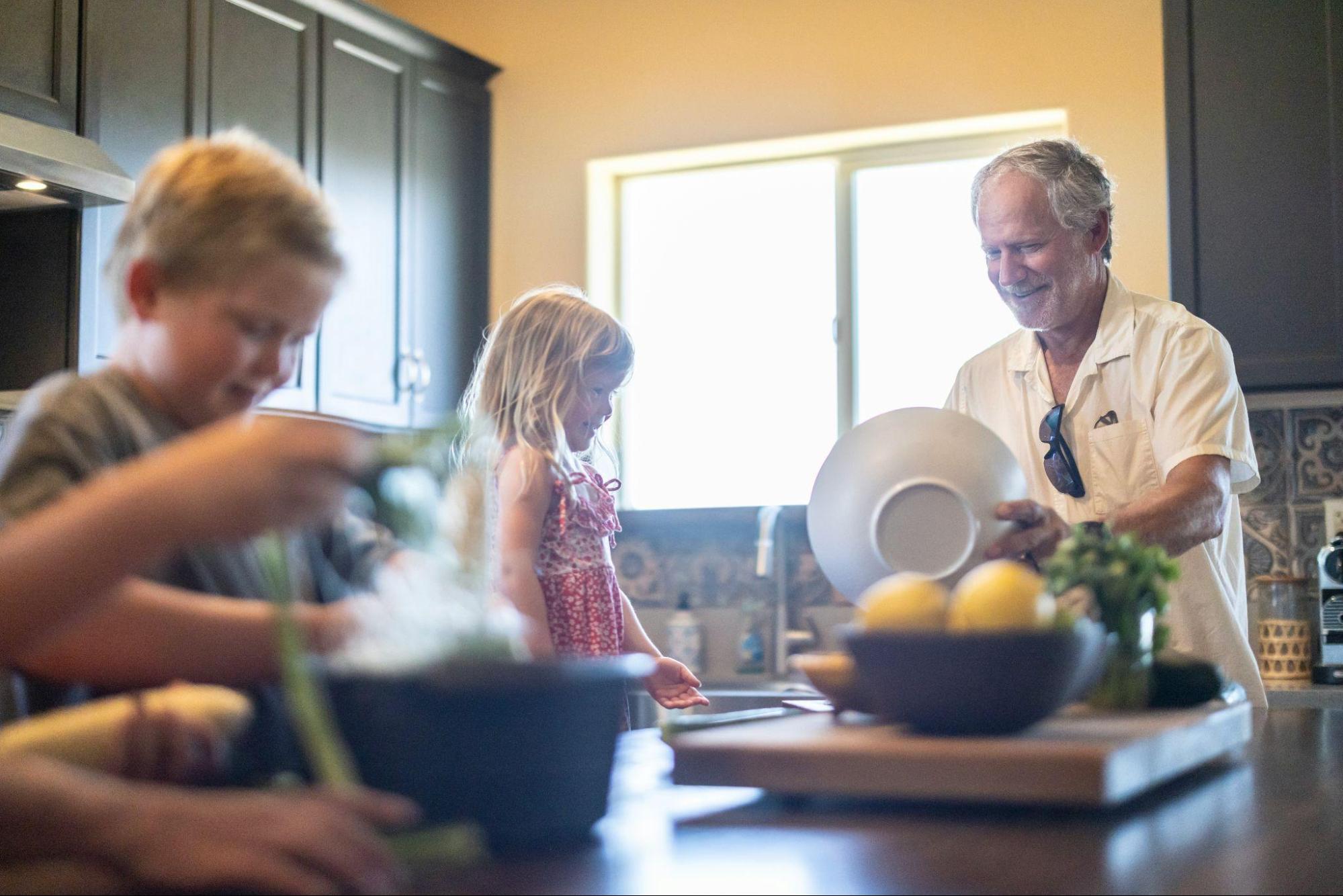
Some grandparents have essentially become unofficial daycare providers, watching grandchildren multiple days a week while parents work. This arrangement benefits everyone in theory—parents save enormous amounts on childcare costs, grandparents get meaningful time with grandchildren, and kids develop close relationships with their grandparents that might not happen with only occasional visits.
But this arrangement isn’t without complications. Grandparents providing regular childcare often do real work, even if it’s unpaid and motivated by love rather than employment.
Financial Support Spanning Generations
Beyond childcare, many grandparents provide direct financial support to their adult children and grandchildren. This might mean contributing to grandchildren’s education funds, helping with a down payment on a first home, covering unexpected medical expenses, or providing regular financial assistance to help make ends meet.
Some grandparents have intentionally built this kind of support into their retirement planning. Others find themselves providing support reactively, responding to specific crises or needs as they arise.
The challenge with financial support across generations is balancing generosity with sustainability. Grandparents need to ensure their own financial security, including healthcare costs and long-term care needs, before extending significant financial help to their children or grandchildren.
Emotional and Practical Support
Grandparents’ contributions go beyond the financial and logistical. They often serve as a stabilizing presence during chaotic periods, offering perspective that comes from having lived through their own parenting challenges in the years prior.
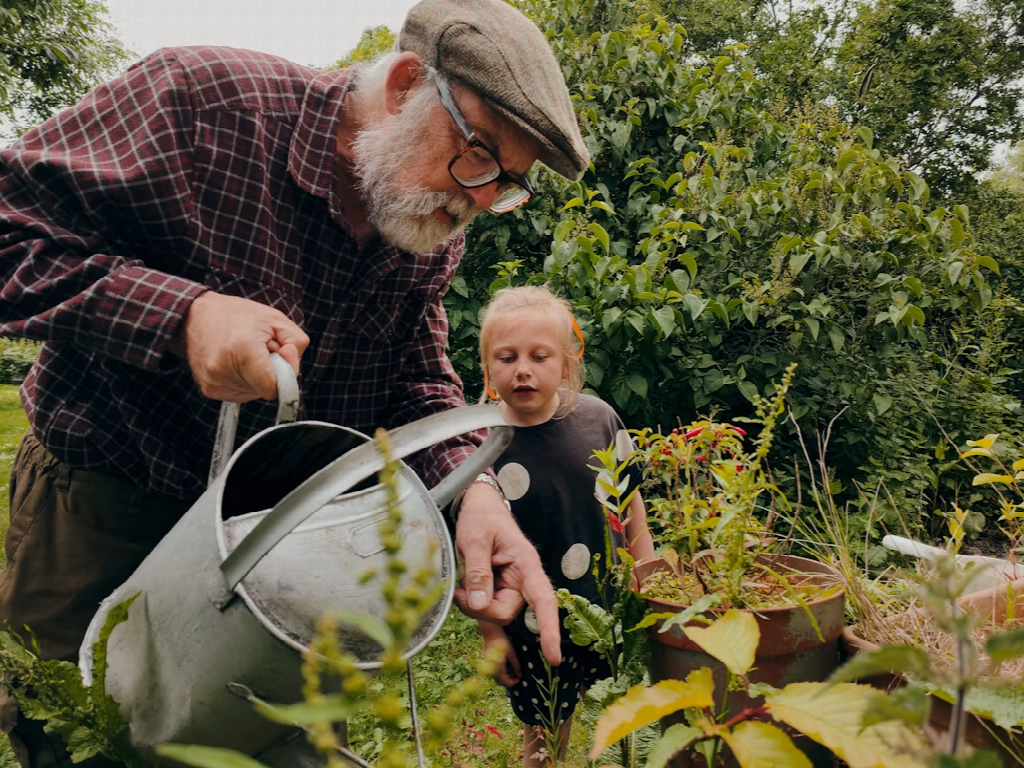
The mentorship grandparents provide extends beyond just being nice to have around. The unconditional support that grandparents frequently provide offers something genuinely valuable to child development.
Building Sustainable Family Support Systems
The families navigating these expanded grandparent roles most successfully tend to approach it as a genuine partnership rather than simply relying on grandparents indefinitely without acknowledgment or support.
It might mean families having honest conversations about what’s sustainable long-term, rather than assuming arrangements that work in the short term will work indefinitely without adjustment. It also means recognizing when additional support is needed to ensure everyone’s needs are being met sustainably.
Looking Forward
The role grandparents play in modern families isn’t likely to shrink anytime soon. The economic and social pressures driving this trend show no signs of reversing, and many grandparents genuinely want to be involved in their grandchildren’s lives in meaningful ways.