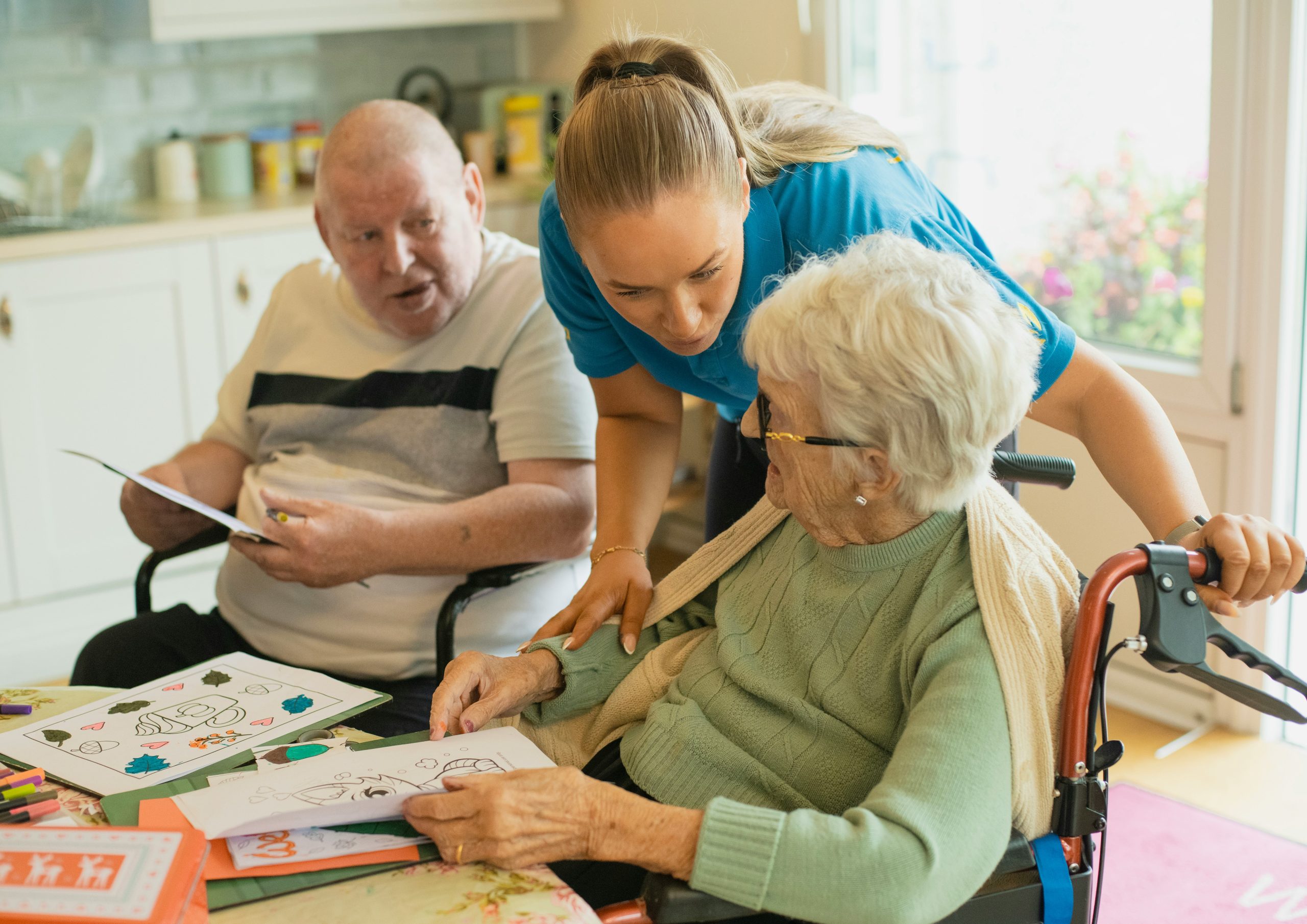
Moving into a senior living community can be physically and emotionally taxing for many seniors. The idea that a person can no longer live on their own, or that a family can no longer care for them, can be a difficult pill to swallow. These factors can make supporting a loved one who is moving hard for families. How can a family member help a senior transitioning into senior care if the experience is just as new and difficult for them? Transitioning to senior living is difficult for everyone, but the senior ultimately has to move to community living, and families must do their best to ease that transition. Here are a few ways families can help their loved one move to a senior living community.
Always Be Honest
Approach the initial conversation about moving into a senior living community with honesty and love. No one benefits from hiding your feelings or the reality of the situation. Adult children or a spouse needs to be upfront and truthful about how caring for the parent has been for them. Let your loved one know that you can no longer care for them as they need, and that moving into a senior living community is the best way to get the care they need. Let them know you want opportunities to enjoy your time together that aren’t related to care. Let them know that moving will allow them and the people they love to be together without the challenges of care. Let them honestly express how they feel, and acknowledge how difficult this move is for them. Honesty and love are the best way to approach this difficult conversation.
Give Your Loved One Agency
This may seem obvious, but in many cases, family members treat their loved ones like children and take too much control. Your loved one should control the entire transition process, from community selection to the care they receive. They get to pick the community that works for them because they are ultimately the one who has to live there. Ensure they have control over the process and that their decisions are respected. Be honest about your opinions regarding a community, but don’t try to override their decisions. Always remind your loved one that they are in control and that any place they choose to live is a trial. You can get out of leases in senior living communities very easily in all 50 states. It is okay to try a place and then try a different community if the first one doesn’t meet your loved one’s standards. You might lose some money on community fees, but you will have peace of mind knowing your loved one isn’t locked into a community they don’t like.
Keep Some Consistency
Changing too much at once can overwhelm many new residents. Maintaining some consistency in their daily life can ease the stress of moving into a senior living community. Maintain your loved one’s schedule as if the move never happened. Keep all their doctor’s appointments. If the grandkids visit on Sunday, keep that schedule. If they walk in the afternoons, make sure they continue. So much is changing around them that it is important to show them that many things are still the same. I also recommend keeping their current home for a few months while they settle in. This can make your loved one feel more comfortable because they know their home is waiting for them if they don’t like their current living arrangement. Humans are creatures of habit, and a little consistency goes a long way in easing a worried mind.
Mimic Their Living Space
Their new living space should be similar to the one they are leaving. Don’t buy a bunch of new furniture and move them into a strange room that looks nothing like their home. Instead, model their new room after their old one as much as possible. Have your loved one mark which pieces of furniture are important. Let them create the floor plan. A new room filled with their beloved possessions won’t feel like a strange place. It will feel more like home.
Visit, but Give Them Space and Independence
In a new community, everything can feel different. One of the best ways to support your loved one’s transition to a senior living community is to visit regularly and call often. Checking in and asking how they are adjusting shows they are not facing this transition alone. Scheduling visits also gives your loved one something to look forward to.
Visiting is important, but you shouldn’t do it every day. You need to give your loved one space and allow them to integrate into their new community on their own. Finding a balance between staying involved and letting them remain independent is key to a healthy adjustment. Family relationships are important, but they can’t come at the expense of building community friendships.
Moving a loved one into a senior living community can be an emotionally and physically taxing transition. No one likes the idea that their loved one can no longer take care of themselves or that the family can no longer care for them. However, taking the proper steps to ease that transition will be better for everyone.
Christina Bremner is the Founder of Purple Door Finders. They are a comprehensive online resource helping seniors and their families find senior living and care options.