Quick Answer
Fall prevention for seniors works best as a room-by-room review of the home. Check each space for loose rugs, poor lighting, missing grab bars, and cluttered walkways, then fix the highest-risk hazards first. Bathrooms, stairs, and bedrooms cause the most injuries, so start there. Small, low-cost changes to flooring, lighting, and handrails let an older adult stay safer and more independent.
Introduction
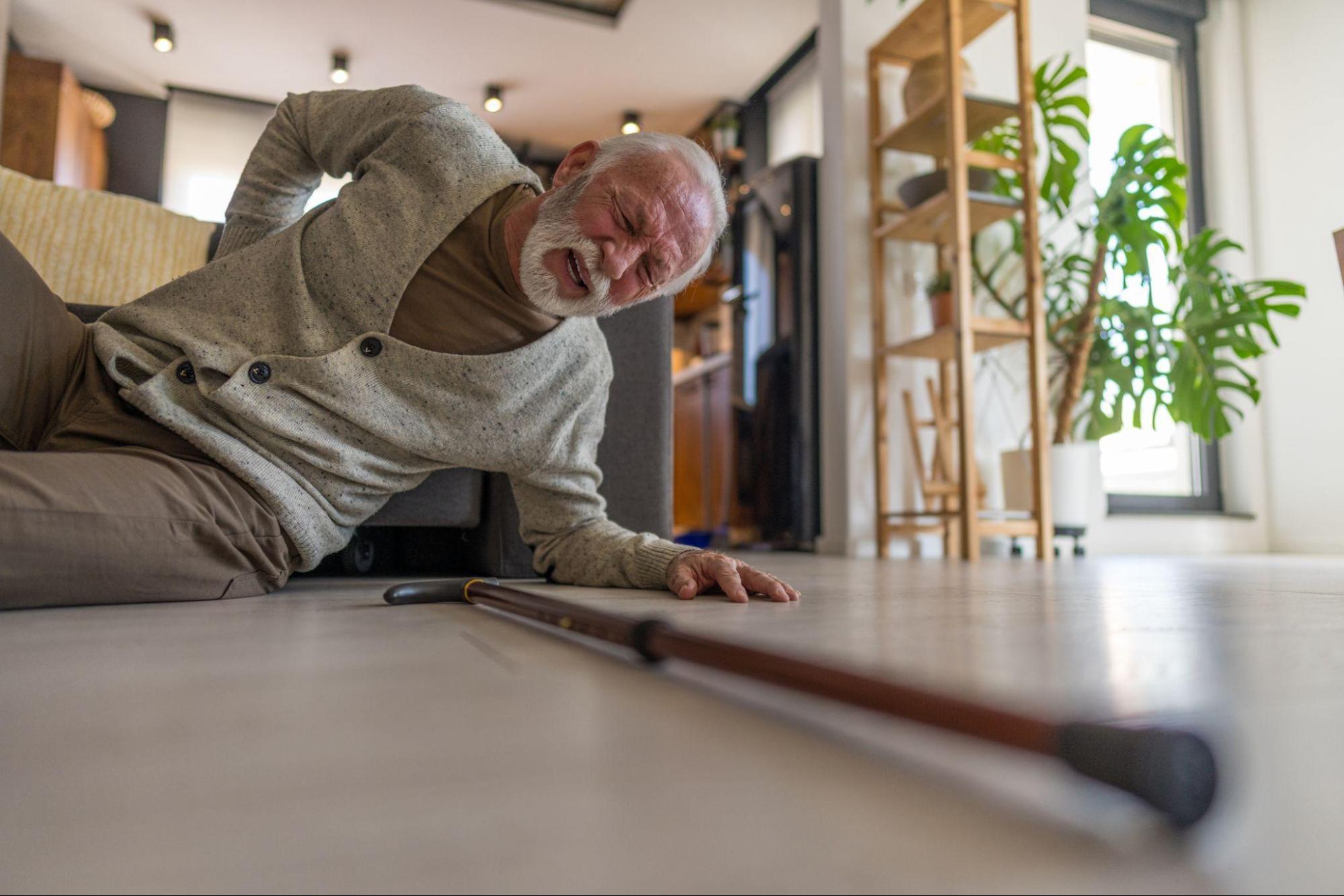
Roughly one in three adults over 65 falls each year, and most of those falls happen at home, in familiar rooms that feel perfectly safe. A raised threshold, a dim hallway, or a bathmat that slides underfoot rarely registers as a threat until someone is on the floor waiting for help. Preventing these injuries means treating the house as the first line of defence, not the last, and looking at each room the way an occupational therapist would.
That shift is easier with support. Families arranging home care services in Calgary, such as those offered by All About Care, often find that a trained caregiver spots hazards a relative walks past every day, from worn stair treads to furniture placed just far enough apart to tempt an unsteady reach.
Why Falls Happen and Where the Home Puts Older Adults at Risk
A fall is rarely a single event. It is usually the meeting point of a body that has changed and an environment that has not. Understanding both halves is what separates real protection from a reactive fix.
How Ageing Changes Balance, Vision, and Reaction Time
The physical groundwork for a fall builds quietly over years. Muscle mass declines from roughly the age of 40, and by 70 many adults have lost significant lower-body strength, the exact strength that catches a stumble. Vision narrows too, with reduced depth perception and slower adjustment to dim light.
Reaction time lengthens, so the split second needed to grab a rail or shift weight is no longer there. Medications compound the picture. Sedatives, blood pressure drugs, and anything causing dizziness raise risk further, as noted by the Public Health Agency of Canada.
The Rooms Where Most Falls Actually Happen
Falls cluster in predictable places. The bathroom and the stairs account for a large share of serious injuries, followed by bedrooms and the moves between rooms. Knowing the pattern lets you spend effort where it counts. The rooms that deserve the closest look are these:
- Bathrooms, where wet tile and low toilets meet poor handholds
- Staircases, especially the top and bottom steps
- Bedrooms, where people move in darkness half-asleep
- Kitchens, with spills and high shelves that invite overreaching
- Doorway thresholds and rug edges that catch a toe
Building an Elderly Home Safety Checklist Before You Start
Guesswork wastes energy. A written elderly home safety checklist turns a vague worry into a room-by-room plan, ranks each hazard by severity, and gives every household member the same reference point. Start with the highest-risk rooms, record what you find, and revisit the list as circumstances change.
A Room-by-Room Approach to Home Safety for Seniors
Broad advice rarely changes a house. Real progress comes from standing in each room and asking what would happen during a stumble at that exact spot. Practical safety in these spaces is the sum of many small, specific fixes rather than one large renovation.
Bathroom and Entryway Hazards
The bathroom concentrates risk into a few square metres of hard surface, water, and low seating. The fixes that remove the most common triggers are few:
- Grab bars beside the toilet and inside the shower, anchored to a wall stud
- A non-slip mat rated for wet use
- A raised toilet seat to reduce the drop and the rise
- A handheld showerhead that allows seated washing
Entryways deserve the same eye, since people arrive carrying bags and stepping over a sill at once.
Stairs, Hallways, and Lighting
Staircases punish small mistakes. A continuous handrail on both sides, running the full flight, lets someone steady themselves the whole way down. Mark the edge of each step with contrasting tape so depth stays visible, and keep the path clear of baskets and shoes. Corridors need light that a half-asleep person can trigger without searching, which is where motion-activated fixtures earn their place.
Bedroom and Living Areas
Most people move through the bedroom in darkness, so a lamp within arm’s reach of the bed and a lit route to the bathroom matter more than any single device. In living areas, loose rugs and low coffee tables are the usual culprits.
Pro Tip: Photograph each room before you start, then again once the fixes are in. A shared set of after photos gives every household member the agreed layout, and clutter has a harder time creeping back.
The table below sets the highest-risk items against a low-cost first fix, so priorities stay clear before any spending begins.
| Room | Primary Hazard | Low-Cost First Fix |
| Bathroom | Wet, hard surfaces near low seating | Grab bars anchored to studs, non-slip mat |
| Staircase | Poor visibility, single or missing rail | Second handrail, contrast edge tape |
| Hallway | Dark path at night | Motion-activated night lighting |
| Bedroom | Moving in the dark | Bedside lamp, lit route to the bathroom |
| Living area | Trip hazards underfoot | Secure or remove loose rugs |
Taken together, these fixes address the spaces where most household falls begin, and none of them requires major construction.
Sustaining Senior Fall Prevention and Aging in Place Safety Over Time
A safe home on Monday can drift back to a risky one by spring. Habits relax, clutter returns, and a body keeps changing. Lasting protection depends on treating the home as something reviewed on a schedule, not fixed once and left alone.
Measurements That Matter for Stairs, Lighting, and Thresholds
The useful detail is the number, because concrete targets let you check a home objectively instead of by feel. The measurements worth recording are these:
- Stair risers no taller than 200 mm, kept consistent across every step, since an odd one out of rhythm is a frequent trigger
- Treads at least 255 mm deep, so a full foot lands with room to spare
- Corridor and stair lighting around 100 lux, roughly double a typical dim passage, gauged with a free phone light meter
- Doorway sills under 13 mm, or bevelled where they sit higher, to remove the toe-catch edge
- Handrails set 865 to 965 mm above the stair nosing, within easy reach for most adults
These figures come from accessibility and building guidance such as CSA B651 and the CDC STEADI materials, and they turn a vague inspection into a measurable one.
Reviewing the Home as Needs Change
A checklist works only if someone reruns it. A seasonal walk-through catches fresh dangers: a rug bought in winter, a handrail loosening with use, a prescription that now causes dizziness. Tie the review to a fixed date, such as a birthday or a clock change, so it actually happens.
When Extra Support Makes Sense
Home changes have limits. When mobility declines faster than the house can adapt, trained in-home help preserves aging-in-place safety by adjusting support as needs shift, from occasional check-ins to daily assistance. Matching that support to the person, rather than to a fixed schedule, keeps independence intact for longer.
Keeping an Older Adult Steady, One Room at a Time
A home rarely becomes dangerous overnight, and it rarely becomes safe by accident either. Working through it room by room, fixing the highest-risk spots first, and rechecking the space as a body changes is what keeps an older adult on their feet. Done consistently, fall prevention for seniors is less about any single grab bar and more about a house that keeps pace with the person living in it.