Somewhere around 50, a lot of people notice the same thing: the workouts that used to leave them refreshed now leave them sore for days, and the strength they once took for granted takes more effort to maintain. It’s not in your head, and it’s not a sign that you’ve suddenly let yourself go. This is one of the most consistent patterns in human physiology, and it happens to nearly everyone to some degree. The question worth asking isn’t whether this shift is real, but what’s actually driving it, and how much of it can be managed with the right approach. Muscle, recovery, and energy are all connected systems, and understanding how they change with age makes it much easier to respond to those changes productively instead of just accepting them as an inevitable decline.
What’s Really Behind the Change
Age-related changes in muscle mass, recovery, and energy can have many causes, including underlying hormonal issues. Adults researching HGH injections for sale should understand that prescription growth hormone is intended for specific diagnosed conditions and should only be used under medical supervision. For most people over 50, though, the primary driver isn’t a rare hormonal condition at all. It’s a well-documented, gradual process called sarcopenia: the natural loss of muscle mass and strength that begins well before most people notice it and accelerates with age. Genetics, activity level, protein intake, and even sleep quality all play a role in how quickly, and how noticeably, this shows up for any given person.
The Timeline Most People Don’t Realize
Muscle loss doesn’t start at 50. According to NIH News in Health, the body begins losing muscle mass starting around age 30, with a decline of roughly three to five percent per decade. For years, that loss is subtle enough to go unnoticed, especially for people who stay reasonably active. But the decline isn’t linear. It tends to speed up in the decades after 50, which is exactly why so many people describe this period as when things “suddenly” changed, even though the process had been underway for twenty years already. Recognizing that timeline matters, because it reframes the conversation. This isn’t a switch that flips at a certain birthday. It’s a slow accumulation that eventually crosses a threshold where it becomes noticeable in daily life, whether that’s climbing stairs, carrying groceries, or getting up from a low chair.
Why Recovery Takes Longer
Muscle mass is only part of the story. The other half is recovery, and that changes too. Recovery from exercise or physical exertion depends on the body’s ability to repair muscle tissue efficiently, which relies on protein synthesis, blood flow, inflammation control, and adequate rest. As muscle mass declines and cellular repair processes become somewhat less efficient with age, that recovery window naturally lengthens. A workout that once required a day to bounce back from might now take two or three. This isn’t a failure of willpower or fitness; it’s a physiological shift that happens gradually and affects nearly everyone, even people who have stayed consistently active throughout their lives. Stress, poor sleep, and inadequate nutrition can all extend that recovery window further, which is part of why lifestyle factors matter just as much as training itself in this stage of life.
Sleep deserves particular attention here, since it’s often overlooked in conversations about strength and recovery. Deep sleep is when much of the body’s tissue repair actually happens, and sleep architecture changes with age, often becoming lighter and more fragmented. Someone who used to recover fully after six hours of solid sleep in their thirties may need closer to seven or eight consistent hours in their fifties just to give the body enough time to complete its repair processes. Poor sleep doesn’t just make a person feel tired; it can directly interfere with the biological mechanisms responsible for rebuilding muscle after exertion, which compounds the natural slowdown that already comes with age.
The Role of Strength Training
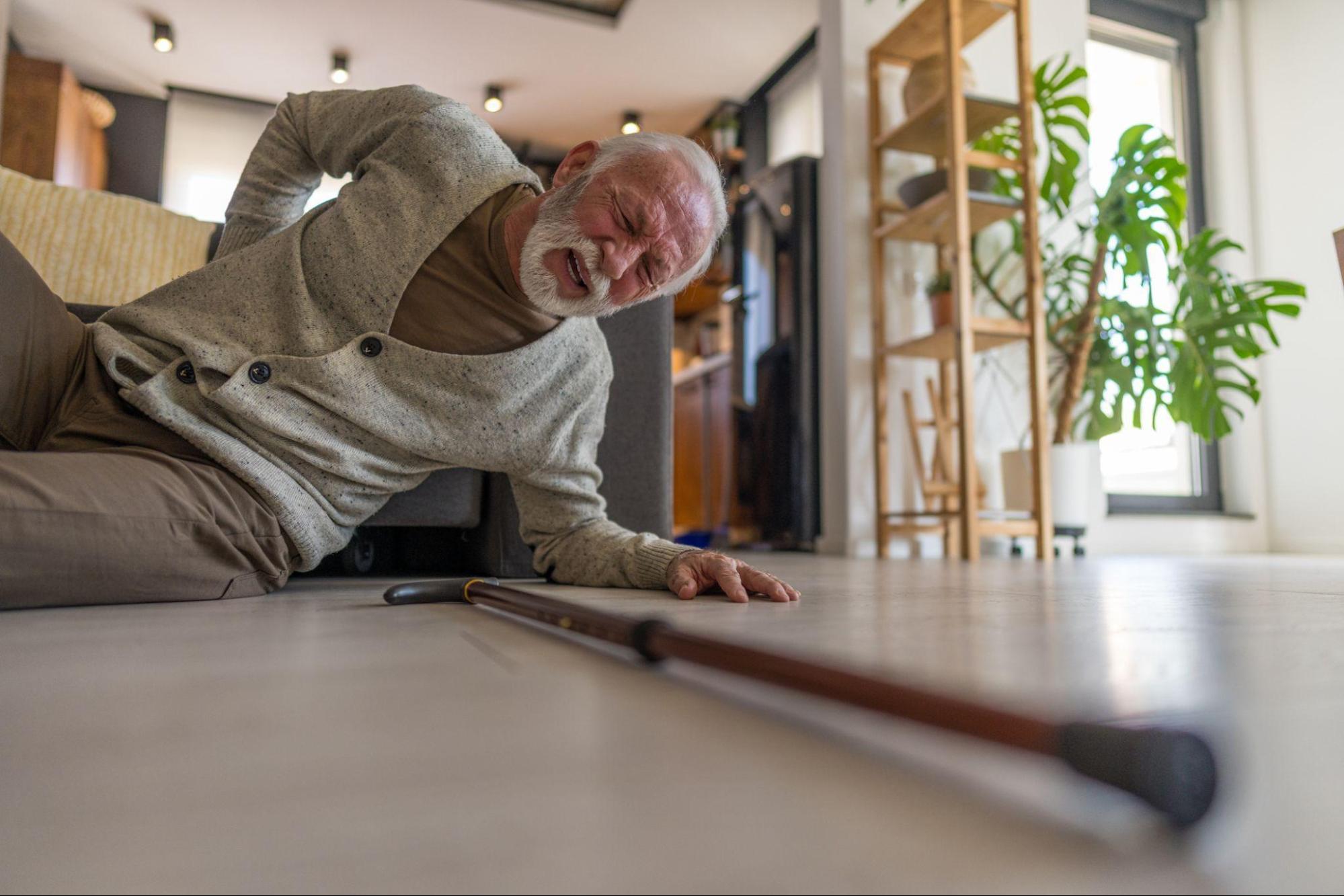
The good news is that this process is not purely one-directional. The National Institute on Aging has found that resistance training is one of the most effective tools for slowing, and in some cases partially reversing, age-related muscle loss. Structured strength work, done consistently over time, has been shown to help older adults rebuild lean muscle, improve balance, and maintain the functional strength needed for everyday tasks like walking, standing, and lifting. This matters because sarcopenia isn’t just a cosmetic or performance issue; it’s closely tied to fall risk, frailty, and long-term independence. The people who tend to fare best after 50 aren’t necessarily those with the least muscle loss to begin with, but those who respond to it early with consistent resistance training rather than waiting until strength has declined significantly.
Nutrition’s Underrated Role
Exercise gets most of the attention in this conversation, but nutrition, particularly protein intake, plays an equally important role. As the body ages, it becomes somewhat less efficient at using dietary protein to build and repair muscle, a phenomenon researchers sometimes call anabolic resistance. Practically, this often means that adults over 50 need more protein per meal than they did in their thirties to get the same muscle-building effect, not less. Spreading protein intake across the day, rather than concentrating it in one large meal, has also been associated with better outcomes in several studies. Combined with resistance training, adequate protein intake appears to have an additive effect, helping preserve both muscle mass and strength more effectively than either strategy alone.
Hydration and micronutrient status also play a quieter but meaningful role. Vitamin D and calcium support bone health, which becomes increasingly relevant as muscle and skeletal systems decline together. Omega-3 fatty acids have been studied for their potential role in supporting muscle protein synthesis in older adults as well. None of these factors work in isolation. It’s the combination of consistent resistance training, sufficient protein, good sleep, and attention to overall nutrition that tends to produce the most noticeable and lasting improvements, rather than any single intervention on its own.
When It’s Worth Talking to a Doctor
Most people experiencing typical age-related muscle and energy changes will see meaningful improvement through consistent strength training, adequate protein, and attention to sleep and recovery. But some symptoms warrant a closer look. Rapid, unexplained muscle loss, persistent fatigue that doesn’t improve with rest, or a combination of symptoms that seems more severe than expected for someone’s age and activity level are all reasons to bring the topic up with a physician. A doctor can run appropriate testing to rule out or confirm an underlying condition, whether that’s related to hormones, thyroid function, nutrition, or something else entirely. The vast majority of people navigating this stage of life won’t need anything beyond a solid, sustainable routine. But for the smaller number who do have an underlying medical issue, getting an accurate diagnosis is the only reliable way to know what’s actually going on, and what steps make sense from there.
The Bottom Line
Muscle mass and recovery change after 50 because of a slow, well-understood biological process that starts decades earlier and gradually becomes noticeable. For most people, the most effective response is also the most straightforward one: consistent resistance training, adequate protein, quality sleep, and patience with a recovery process that simply takes longer than it used to. Paying attention to these fundamentals tends to produce more durable results than searching for a single explanation or a quick fix, and it keeps the door open for a conversation with a doctor if something feels genuinely outside the range of normal aging.