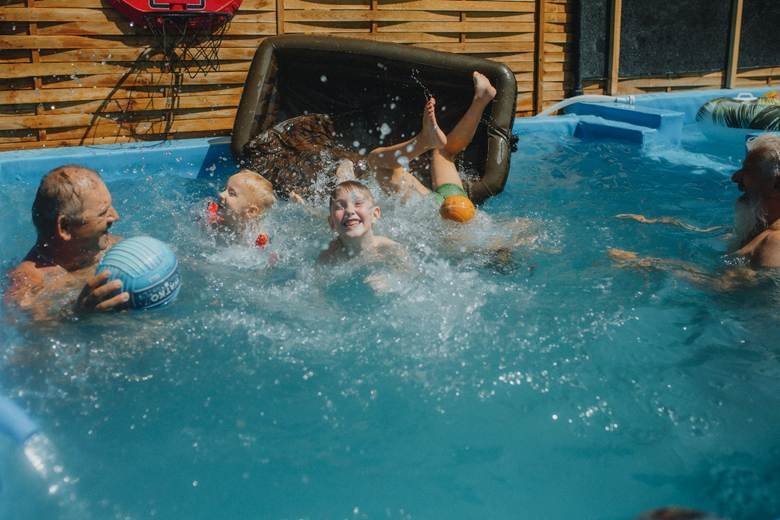
A weekend with the grandkids can transform a quiet house surprisingly quickly. Toys migrate from room to room, snacks appear everywhere, the backyard becomes a playground, and bedtime routines suddenly matter again. Preparing beforehand means you can spend more of the weekend enjoying their company instead of constantly moving things, searching for supplies, or discovering hazards after an adventurous child has already found them.
The amount of preparation depends heavily on age. A house that works perfectly well for a ten-year-old can contain dozens of interesting opportunities for a toddler. Rather than attempting to redesign your entire home, concentrate on the spaces the children will actually use and the problems most likely to interrupt the visit.
Give the Backyard a Quick Inspection Before They Arrive
If the weather is good, the yard can provide hours of entertainment without requiring an elaborate schedule. Walk through it from a child’s perspective before the visit. Put away gardening equipment, remove obvious tripping hazards, check gates, and make sure chemicals and tools cannot be accessed. If the lawn needs attention, getting routine jobs done beforehand and having your usual Lawn Synergy lawn care products organized and stored securely means the mower, treatments, and gardening supplies can stay put once the children arrive.
Think about what they will actually do outside as well. You might create an open area for a ball game, put out chalk, or prepare a small table for snacks and crafts. Younger children require particularly close supervision around pools and other water, while power gardening equipment should not be operating while children are playing nearby. The goal is to make the backyard somewhere you can use immediately rather than spending Saturday morning preparing it while everyone waits.
Childproof the Areas They Will Actually Use
A home occupied primarily by adults contains things you stopped noticing years ago. Medications may live on a bedside table, cleaning products sit beneath the sink, breakable decorations occupy low shelves, and small batteries or miscellaneous objects may be within easy reach.
Before younger grandchildren arrive, walk through the living room, kitchen, bathroom, bedroom, and any other accessible areas at their eye level. Secure medicines and household chemicals, deal with accessible outlets and stairs where appropriate, and move choking hazards and fragile objects. Current child-safety guidance also emphasizes keeping button batteries inaccessible and checking that smoke and carbon-monoxide detectors are working.
Do not automatically pull an old crib, play yard, or other children’s equipment out of storage simply because it was good enough decades ago. Safety standards change, and older equipment may no longer be appropriate.
Prepare One Place for All Their Stuff

Grandchildren rarely arrive with only themselves. There may be backpacks, pajamas, toys, tablets, shoes, coats, favorite blankets, toiletries, and mysterious objects they insist absolutely had to come along.
Give those belongings an obvious home from the beginning. Clear a drawer, designate a basket for toys, and choose somewhere for shoes and bags. If they are sleeping in a guest room, leave enough genuinely empty space for their belongings rather than surrounding them with things normally stored there.
A little organization can also make children feel more at home. Give them a specific place for their things rather than making everything feel temporary and off-limits. Even when children do not have their own bedroom, having a recognizable personal space can help them settle into an unfamiliar house.
This does not need to become a permanent children’s room after they leave. A few containers and one cleared surface can disappear back into normal household life on Sunday evening.
Make the Bathroom Easier for Everyone
The bathroom is worth preparing before bedtime creates a queue. Put out towels in advance, provide an obvious place for dirty clothes, and make sure children can reach whatever they are expected to use independently.
You can also simplify your normal bathroom setup temporarily. Move medicines, razors, cleaning products, cosmetics, and anything fragile or unsuitable for children into secure storage. For younger children, supervision around baths and water remains essential.
Small environmental details can make a shared bathroom more pleasant too. Fresh towels, an emptied wastebasket, and a clean room go further than filling every surface with toiletries. If you normally use an air freshener, preparing the bathroom before everyone arrives means one less household job to think about once the weekend becomes busy.
Most importantly, ask the parents about established routines. Knowing whether the children normally bathe before dinner, brush their teeth with supervision, or have particular bedtime habits can prevent surprisingly difficult negotiations late in the evening.
Plan Food and Activities Without Scheduling Every Minute
Ask about allergies, foods the children reliably eat, and any important household rules before shopping. Keep several easy snacks accessible and prepare at least one meal that does not require you to spend most of the visit in the kitchen.
Do the same with entertainment. Have a few possibilities ready rather than constructing an hour-by-hour itinerary. A park visit, baking something together, a board game, movie night, backyard play, or a simple craft can be enough. Having a short list of planned activities can make a weekend of childcare run more smoothly, but children also benefit from having time that is not completely scheduled.
Ask what they currently enjoy instead of relying entirely on what entertained their parents at the same age. Interests change quickly, and something as simple as letting a grandchild choose Saturday’s activity can make the visit feel more like their weekend too.
Learn the Important Information Before the Parents Leave
The most useful preparation may involve information rather than anything inside the house. Make sure you have current phone numbers, understand medications or allergies, know relevant routines, and have the information you would need if an unexpected situation occurred.
If you will be driving anywhere, confirm that the appropriate child restraint is available and correctly set up. If the children are staying without their parents, discuss emergency arrangements and any permissions you might require rather than trying to resolve those questions after something happens.
Also ask about rules. Screen time, bedtime, sweets, and other everyday boundaries are easier to handle when everybody understands expectations before the weekend begins.
Preparing for the grandkids does not mean removing every sign that adults normally live in the house. Make the important areas safe, create room for their belongings, prepare a few meals and activities, and then stop preparing.
They are unlikely to remember whether the guest room was perfectly organized. They are much more likely to remember pancakes on Saturday morning, playing outside, staying up late for a movie, and having grandparents who had enough free time to enjoy the weekend with them.