When a loved one dies because of a preventable incident, the family may feel certain that someone should be held responsible. Turning that belief into a legal claim, however, requires evidence.
A wrongful death case is not usually built around one dramatic piece of proof. More often, it comes together through medical records, photographs, reports, witness statements and other details that support one another. Each item helps answer a basic question: What happened, who caused it and what did the death mean for the family left behind?
The evidence needed will depend on the circumstances. A fatal car crash is investigated differently from a workplace accident, a medical error or a defective product case. Even so, several types of proof are common across most wrongful death claims.
The Evidence Must Show More Than a Death Occurred
In a negligence case, the person bringing the claim generally must establish four points.
First, the defendant owed the deceased person a duty of care. Second, the defendant failed to meet that duty. Third, the failure caused or contributed to the death. Finally, the death resulted in losses recognized by law.
Take a traffic collision as an example. Every driver has a duty to follow road rules and operate a vehicle with reasonable care. If a driver runs a red light and causes a fatal crash, police records, camera footage and vehicle data may help show both the careless conduct and its result.
The same basic idea applies in other settings. A property owner may be responsible for addressing a known hazard. A doctor must provide care that meets the relevant professional standard. An employer may have duties involving training, equipment and workplace safety.
Proving that an accident happened is only the beginning. The evidence must connect the conduct in question to the person’s death.
Families sometimes gather early records themselves. When key information is held by a hospital, employer or large business, they may seek advice from the best wrongful death attorney in Phoenix about preserving evidence and understanding Arizona procedures. Acting early can matter because some records are routinely erased, overwritten or discarded.
Official Reports Create an Early Timeline
Official reports often provide the first written account of an incident.
After a fatal collision, the police report may list the people involved, identify witnesses and describe road or weather conditions. It may also contain a scene diagram, officer observations and information about traffic citations.
A workplace death can produce several different records. These may include an employer’s incident report, equipment maintenance logs, safety inspection results and statements from coworkers. Government agencies may also conduct their own investigations.
If the death occurred on unsafe property, records from the owner or business may show whether employees knew about the danger. Cleaning schedules, repair requests and earlier customer complaints can become important.
Still, an official report is not automatically the final word. Reports can contain mistakes or leave out facts that were not known at the time. They should be reviewed alongside the rest of the evidence.
Medical Records Explain the Injuries
Medical records help show how the incident affected the deceased person and why it led to death.
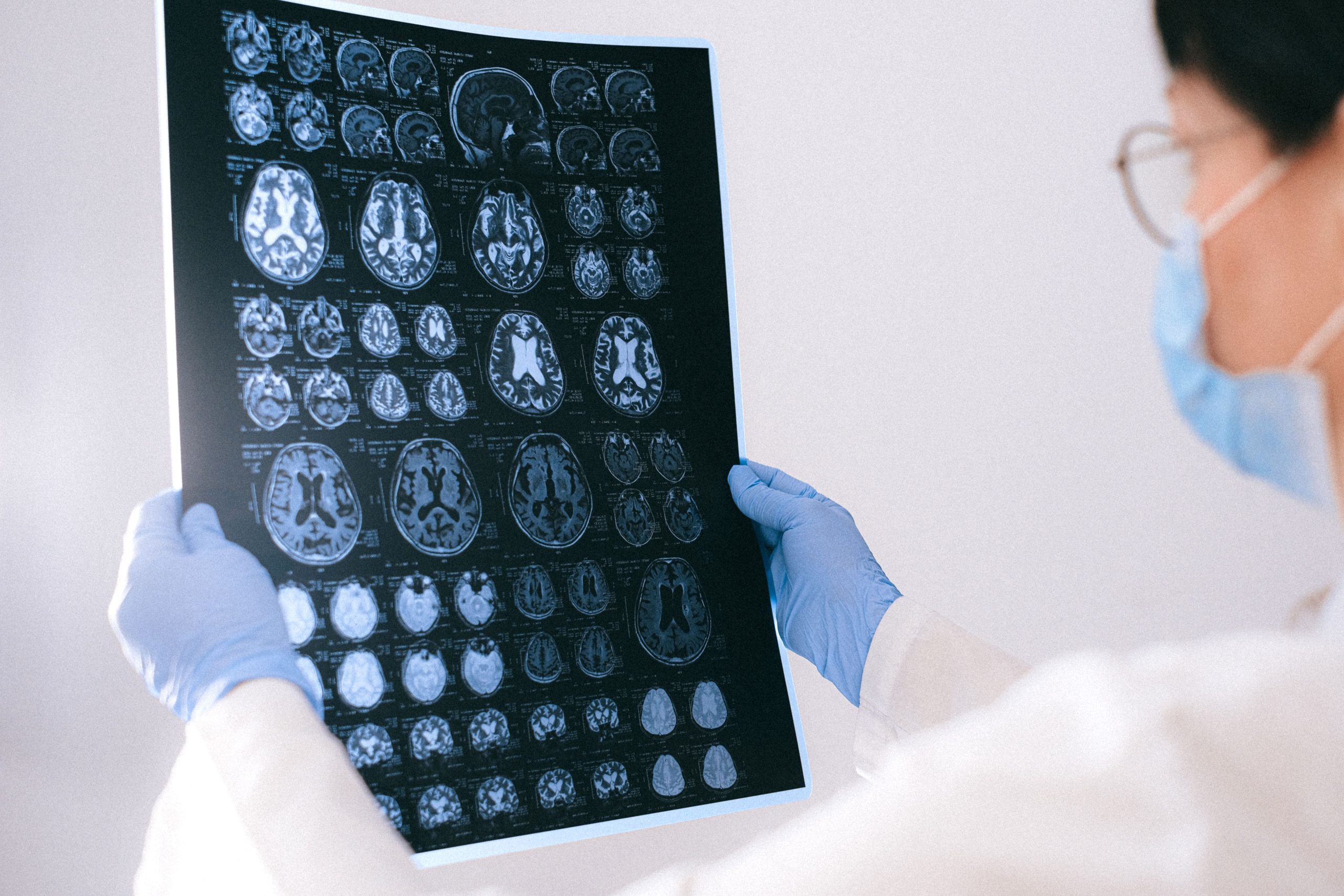
Ambulance notes may document the person’s condition at the scene. Emergency room records can describe the injuries found on arrival. Scans, surgical reports and hospital charts may then show how the condition changed over time.
The death certificate is another key document. It usually states the recorded cause and manner of death. When there is uncertainty, an autopsy can provide more detail about internal injuries, disease or other contributing factors.
Toxicology findings may also be relevant. They can show whether alcohol, medication, illegal drugs or toxic substances were present.
Prior health records sometimes become part of the dispute. The defense may argue that an existing condition caused the death. A medical expert may need to compare the person’s earlier health with the injuries caused by the incident.
Photographs and Videos Preserve Details That Disappear
Accident scenes do not remain unchanged for long.
Vehicles are removed. Damaged property is repaired. Spills are cleaned. Weather shifts. By the time an investigation is fully underway, the scene may look nothing like it did when the incident occurred.
Photographs can preserve road markings, debris, vehicle damage and visibility conditions. In a premises case, they may show a broken step, missing handrail or slippery floor.
Video can be even more direct. A nearby business, traffic camera, dashboard camera or doorbell system may have recorded the event. Footage from before the incident can also matter because it may show how long a hazardous condition existed.
This material should be requested quickly. Many surveillance systems automatically record over older footage within days or weeks.
Physical Evidence May Tell Its Own Story
Sometimes the strongest evidence is the object involved in the death.
A defective appliance, broken machine part, damaged tire or failed safety device may need to be examined by an engineer or another specialist. The condition of that item can reveal whether it was poorly designed, improperly maintained or used without adequate warnings.
Preservation is important. Once an item is repaired, altered or thrown away, experts may lose the chance to determine what failed.
The same applies to vehicles. A damaged car may contain evidence in its brakes, tires, airbags and electronic systems. Selling or scrapping it too soon can remove useful information from the case.
Witnesses Add Details That Records Cannot Capture
Witnesses can explain what they saw, heard or noticed before the death.
A bystander may have seen a driver looking down at a phone. A coworker may know that a machine had been malfunctioning for weeks. A customer might remember that employees had been warned about a dangerous condition.
People may also recall statements made immediately after the event. Those comments can provide insight into what someone knew or admitted at the time.
Witness memory is not perfect. Details fade and two people can view the same incident from different angles. That is why early interviews are useful. Their accounts can later be compared with photographs, video and physical evidence.
Digital Records Can Fill Important Gaps
Electronic data plays a growing role in wrongful death investigations.
Mobile phone records may show calls, messages or app use near the time of a crash. Modern vehicles can record speed, braking and other driving information in the seconds before impact.
Commercial vehicles may generate GPS records, driver logs and dispatch messages. These can help determine whether a driver had exceeded legal work hours or was under pressure to meet an unsafe schedule.
Businesses and medical facilities also create electronic records. Emails, access logs, patient charts and device histories may reveal when decisions were made and who was involved.
Since digital records can be deleted through routine business practices, preserving them early is often essential.
Experts Help Make Sense of Technical Facts
Not every piece of evidence speaks for itself.
A medical expert may explain how an injury caused the death. An accident reconstruction specialist can use vehicle damage and road evidence to describe how a crash occurred. Engineers may inspect machinery, buildings or defective products.
Economic experts can address another part of the case: the financial loss to the family. They may estimate future earnings, employment benefits and the value of services the deceased person provided at home.
Expert opinions are most useful when they are grounded in reliable records. Their role is to explain complex information in terms that a judge or jury can understand.
Financial and Family Records Show the Full Loss
A wrongful death affects more than immediate funeral expenses.
Employment records, tax returns and pay statements can show the income the deceased person contributed. Medical bills, burial costs and related receipts help document direct expenses.
The family may also lose unpaid support. A person may have provided childcare, home maintenance, transportation or care for an older relative. Those contributions have practical value even though they do not appear on a paycheck.
Depending on state law, relatives may also seek compensation for the loss of companionship, guidance and emotional support. Family photographs, messages and personal testimony can help describe the relationship.
Specific details often carry the most weight. Describing a parent’s daily role in a child’s life is usually more meaningful than simply saying the family was close.
Evidence Is Strongest When It Is Preserved Early
Time is rarely helpful in a wrongful death investigation.
Video can disappear. Memories become less clear. Physical objects are repaired or discarded. Documents become harder to find.
Families should keep copies of medical bills, funeral receipts, employment information and messages related to the incident. They should also be cautious about discussing the case publicly or posting details on social media.
A strong wrongful death case is usually built piece by piece. Official reports provide structure. Medical evidence explains the cause of death. Witnesses and electronic records add context. Financial documents show how deeply the loss affected the family.
When those materials are collected early and examined together, they can provide a much clearer account of what happened.