Perhaps you can still keep up with the grandchildren, manage a busy home, and make time for friends, but the recovery period feels longer than it once did. Or maybe the change is harder to explain: afternoons have become a struggle, your usual walk feels demanding, or a full night in bed no longer leaves you refreshed.
Some shift in stamina is common with age. A steady loss of energy, however, shouldn’t automatically be filed under “getting older.” Fatigue can reflect sleep disruption, stress, medication effects, changing hormones, reduced fitness, or an underlying health condition. The useful question isn’t simply, “Am I tired?” It is, “What pattern has changed, and what else is happening?”
Start by Naming the Problem
Fatigue isn’t quite the same as sleepiness. Sleepiness means you are likely to doze off. Fatigue is a broader lack of physical or mental energy. You may feel awake but unable to summon your usual drive, concentration, or strength.
A single low-energy day after travel, poor sleep, or an unusually active weekend rarely tells you much. A pattern does. Note when the change began, whether it is constant or comes and goes, and which activities now feel different. Pay attention to related symptoms such as breathlessness, dizziness, low mood, pain, weight change, muscle weakness, or changes in appetite.
This record can help a clinician separate a temporary dip from something that needs investigation.
Sleep Problems Often Hide in Plain Sight
Adults generally need seven to nine hours of sleep, including in later life, according to the National Institute on Aging. Yet time in bed doesn’t always equal restorative sleep.
Sleep apnea is one possible reason. The National Heart, Lung, and Blood Institute lists loud snoring, gasping, breathing that stops and starts, daytime tiredness, headaches, and trouble focusing among its signs. Because the breathing changes happen during sleep, a partner may notice them first.
For women, menopause can also disturb sleep. Hot flashes, night sweats, and urinary symptoms may cause repeated waking, leaving daytime energy lower even when bedtime hasn’t changed.
Before blaming age, look at sleep quality. Do you wake frequently? Has your snoring changed? Do you need naps despite a full night in bed? These details are worth sharing with a health professional.
Hormones May Be Part of the Picture
Hormonal changes can affect energy, but symptoms alone can’t identify the cause. An underactive thyroid, for example, may cause fatigue alongside weight gain, cold intolerance, dry skin, joint or muscle pain, a slower heart rate, or depression. The National Institute of Diabetes and Digestive and Kidney Diseases also notes that these symptoms are common and don’t necessarily mean someone has thyroid disease. Blood testing and clinical context matter.
In men, low testosterone may be considered when reduced energy appears with symptoms such as lower libido, erectile changes, reduced muscle mass, irritability, or difficulty concentrating. For those who prefer professional blood collection at home, Feel30 offers testing with clinician review. That testing should form part of a broader medical assessment, not act as a stand-alone diagnosis.
The Endocrine Society states that a diagnosis of hypogonadism requires symptoms plus consistently low testosterone on at least two early-morning blood tests. Its patient guidance is direct: “Testosterone must be measured more than once for accurate assessment.” Treatment decisions should follow a clinician’s review of symptoms, medical history, medications, and laboratory results.
Look Beyond Hormones
Fatigue has a long list of possible causes. Anemia can reduce the blood’s ability to carry oxygen. Diabetes, heart disease, kidney or liver disease, infection, and persistent pain can also drain energy. Depression, anxiety, grief, and ongoing caregiving stress may show up physically before someone recognizes the emotional toll.
Medication is another common piece of the puzzle. Antihistamines, sleep aids, some blood pressure medicines, sedatives, and other drugs can cause tiredness or drowsiness. The effect may become more noticeable after a dose change or when several medicines interact.
Bring a complete medication list to an appointment, including over-the-counter products and supplements. Don’t stop a prescribed drug on your own. A clinician or pharmacist can check timing, dosage and possible interactions.
Your Daily Routine Provides Useful Clues
Small habits can either support energy or quietly undermine it. Irregular sleep, too much late-day caffeine, dehydration, skipped meals, and long stretches of inactivity can all contribute.
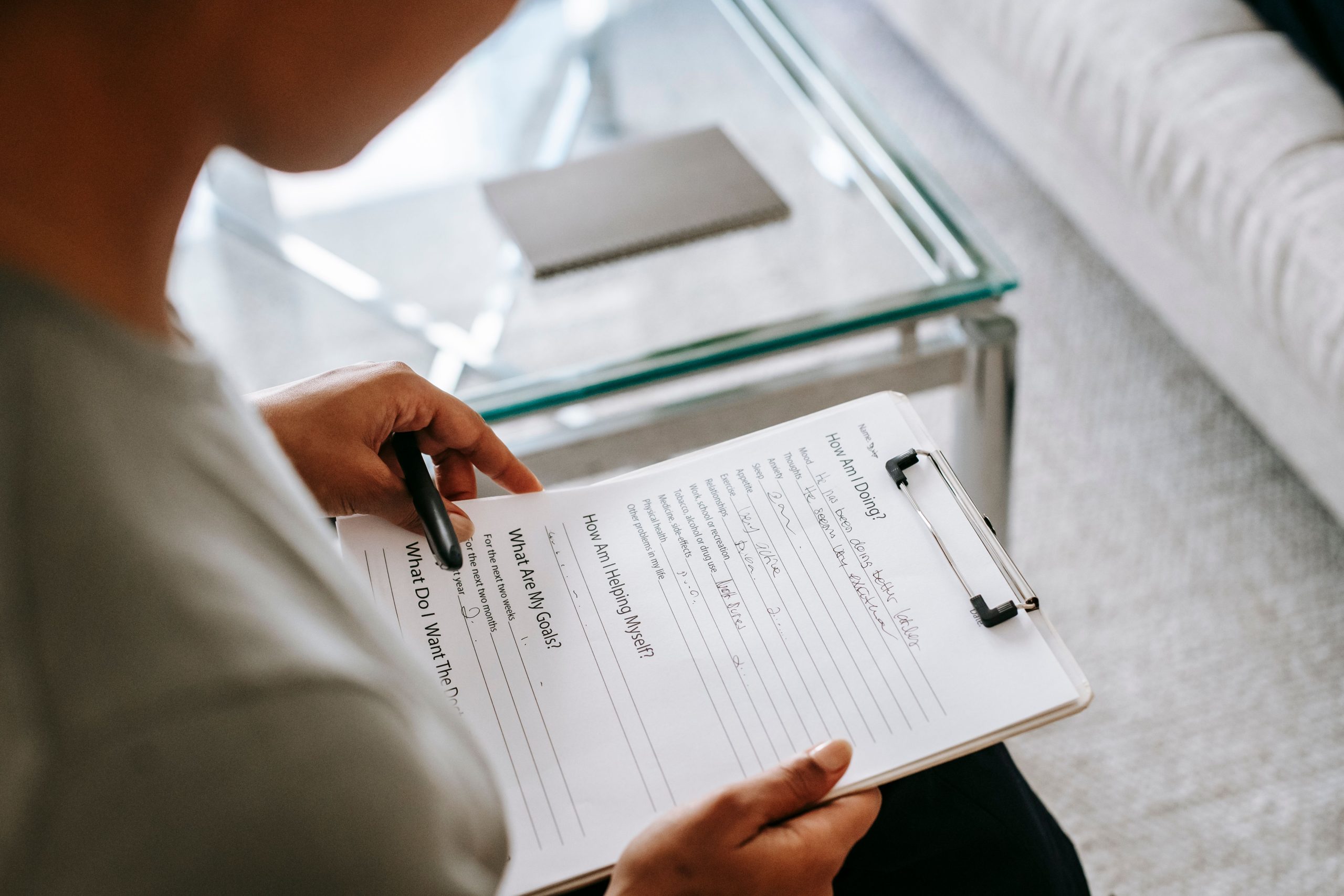
Try keeping a simple two-week energy diary. Record sleep and wake times, meals, physical activity, alcohol, medications, stress, and when fatigue is strongest. Add any symptoms that occur at the same time. Patterns often become clearer on paper.
Movement deserves special attention. The Centers for Disease Control and Prevention recommends that adults 65 and older work toward 150 minutes of moderate aerobic activity each week, two days of muscle-strengthening activity, and regular balance work, as their health allows. Starting smaller still counts. A 10-minute walk, light resistance exercise, or active play with a grandchild can be a practical beginning.
The CDC puts the message simply: “It’s never too late to start!” Anyone who has been inactive, has a chronic condition, or experiences symptoms with exertion should ask a clinician about a suitable plan.
Know When to Make an Appointment
Arrange a medical review when fatigue is new, persistent, worsening, or interfering with ordinary life. Seek advice sooner if it comes with unexplained weight loss, fever, night sweats, repeated waking, frequent headaches, marked weakness, low mood, or symptoms linked to a new medication.
Confusion, significant dizziness, very little urine, sudden swelling, or thoughts of self-harm need prompt professional attention. Chest pain, severe shortness of breath, fainting, or sudden neurological symptoms require emergency care.
A clinician may ask about sleep, mood, diet, activity, and medications before deciding whether tests are appropriate. Depending on the full picture, these might include a blood count, blood glucose, thyroid tests, kidney or liver tests, or hormone testing.
Conclusion
Changing energy after 50 is information, not a verdict. Sometimes the explanation is a run of poor sleep, a demanding season of family life, or a routine that needs adjusting. At other times, fatigue is the first clue that a treatable health issue deserves attention.
Notice the pattern, resist the urge to normalize persistent exhaustion, and take specific observations to a healthcare professional. The goal isn’t to recreate the energy of your twenties. It is to protect the strength, clarity, and stamina that let you stay engaged in the life you value now.
References
National Institute on Aging. “Fatigue in Older Adults.”
National Institute on Aging. “Sleep and Older Adults.” See also: Sleep and Older Adults (Easy-to-Read Booklet), published September 2023.
National Heart, Lung, and Blood Institute. “Sleep Apnea: Symptoms.” Last updated January 9, 2025.
National Institute of Diabetes and Digestive and Kidney Diseases. “Hypothyroidism (Underactive Thyroid).” Last reviewed March 2021.
Bhasin, Shalender, Juan P. Brito, Glenn R. Cunningham, et al. “Testosterone Therapy in Men With Hypogonadism: An Endocrine Society Clinical Practice Guideline.” The Journal of Clinical Endocrinology & Metabolism 103, no. 5 (May 2018): 1715–1744.
Endocrine Society. “Hypogonadism in Men.” Last updated January 24, 2022.
Office on Women’s Health, U.S. Department of Health and Human Services. “Menopause Symptoms and Relief.” Last updated May 30, 2025.
Centers for Disease Control and Prevention. “Older Adults: Adding Activity Recommendations.” Updated December 4, 2025. Accessed July 16, 2026.
MedlinePlus Medical Encyclopedia. “Fatigue.” Review date May 19, 2025. Accessed July 16, 2026.