Brain injury claims often depend on what physicians record before symptoms shift or fade. Head pain, confusion, light sensitivity, and mood changes may appear hours later, while scans can look normal. Early notes connect trauma, diagnosis, treatment, and daily limits in a way memory cannot. Careful documentation also helps doctors explain recovery needs, work restrictions, and future support with a clear clinical timeline.
Early Records Shape Liability
Prompt care gives the claim a medical starting point. A brain injury lawyer in California records emergency notes, clinic visits, therapy records, and specialist reports to show how dizziness, memory loss, nausea, sleep disruption, or irritability followed the incident. Those entries help separate new neurological harm from unrelated health problems or later stress.
Normal Scans Can Mislead
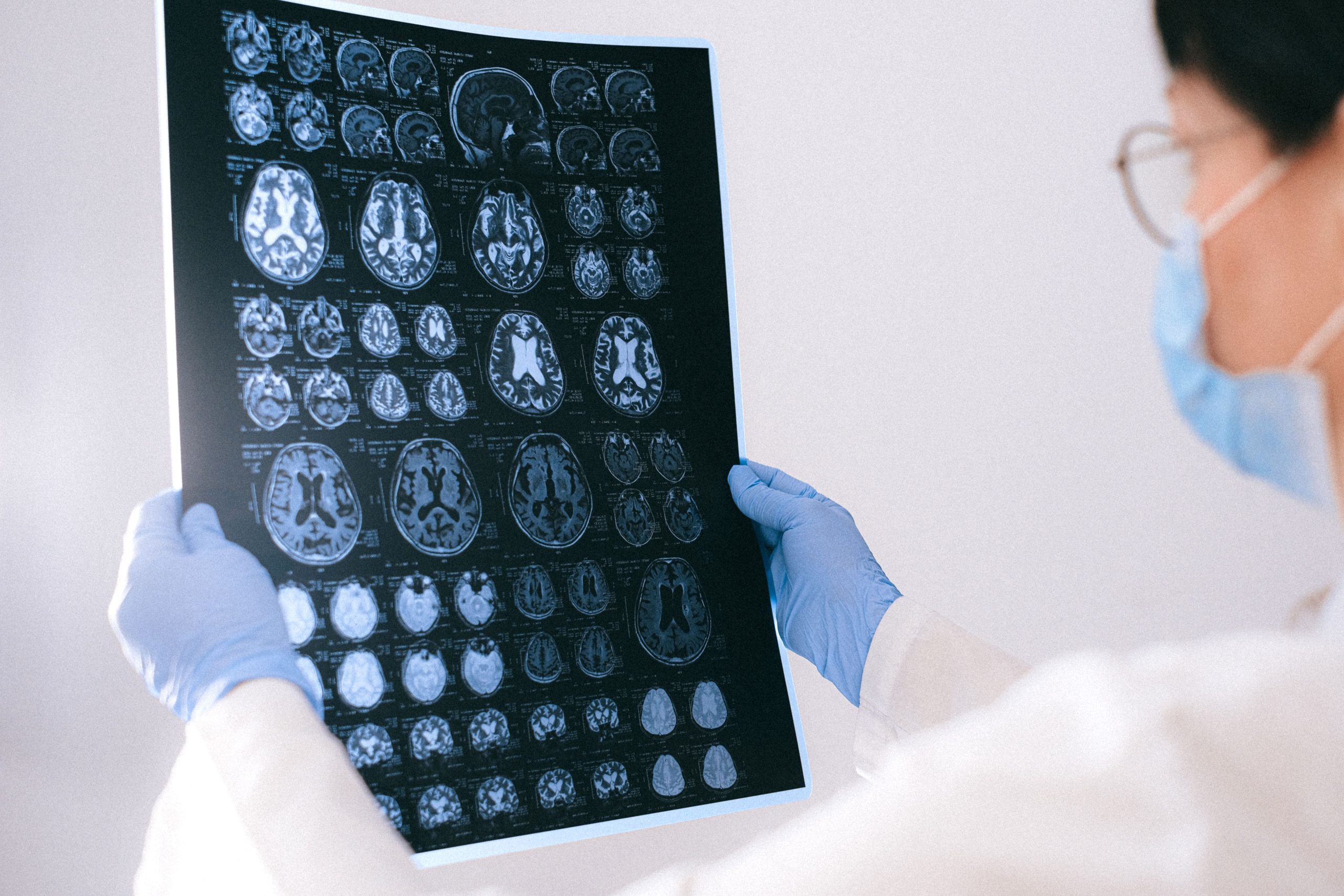
A clean scan does not always mean the brain escaped injury. Concussions and diffuse axonal trauma may affect nerve signaling without visible bleeding. Physicians may document balance problems, eye tracking difficulty, noise sensitivity, fatigue, or slowed speech. Clinical findings often explain impairment better than one image taken during an acute visit.
Symptoms Need a Timeline
Symptoms rarely stay fixed after head trauma. Headaches may worsen with screens, and memory gaps can appear during ordinary tasks. A dated journal helps capture frequency, triggers, intensity, and missed responsibilities. Family observations also matter because spouses, parents, or close friends may notice personality changes before the injured person recognizes them.
Specialist Testing Adds Clarity
Neurologists, neuropsychologists, vestibular therapists, and vision specialists can measure problems that brief exams miss. Testing may reveal poor recall, delayed processing, balance loss, visual strain, or reduced reaction time. These findings turn broad complaints into documented functional limits. Objective results also support therapy plans, driving limits, job restrictions, and projected care needs.
Cognitive Testing Matters
Neuropsychological testing compares memory, attention, reasoning, and language skills. Scores can explain why someone struggles with work duties, school tasks, finances, or conversations. Results may also show whether reported symptoms fit the injury history.
Treatment Consistency Builds Trust
Consistent care shows that symptoms affected daily life enough to require help. Missed appointments, long gaps, or changing histories can invite doubt. Perfect attendance is not required. Honest reporting, follow-up visits, medication updates, and clear descriptions of sleep, pain, mood, balance, and concentration usually matter most.
Early Evidence Protects Damages
Brain injury damages often extend beyond emergency bills. A person may lose wages, need rehabilitation, require rides, or depend on household help. Early records connect those losses to medical limits. Pay documents, school files, caregiver notes, and job reviews can show how the injury changed normal routines.
Insurers Look for Gaps
Insurers often question conditions that cannot be seen easily. They may blame stress, age, prior illness, medication, or poor effort. Detailed evidence narrows those arguments. Accurate records show what changed, when changes began, who observed them, and how treatment matched the reported neurological problems.
Prior Health Still Matters
Prior medical history should be addressed directly. Old headaches, anxiety, or concentration trouble do not erase fresh trauma. Doctors can compare baseline function with post-incident decline. That comparison helps separate earlier concerns from new harm, aggravated symptoms, or functional losses caused by the event.
Families Can Preserve Proof
Family members can help by saving discharge papers, appointment summaries, medication lists, and therapy instructions. They can also note changes in sleep, mood, driving, finances, chores, and social activity. These notes should stay factual. Dates, observed behavior, and practical limits usually carry more value than emotional conclusions.
Work Records Tell a Story
Employment records can show missed shifts, reduced hours, mistakes, demotion, or job loss. Supervisors may document slowed output, safety issues, or new accommodation needs. Pay stubs and tax filings help measure income changes. For self-employed people, invoices, calendars, contracts, and client messages may show reduced capacity after injury.
Delay Can Harm Proof
Important proof can disappear quickly. Video may be erased, witnesses may forget, and early symptoms may go unrecorded. Medical providers also rely on timely histories when forming opinions. Delayed care gives insurers room to argue that the injury was mild, unrelated, or resolved before treatment started.
Conclusion
Brain injury claims need early medical evidence because invisible symptoms are easy to dispute. Detailed records connect the incident to diagnosis, treatment, testing, work limits, and long-term support. They also explain why normal imaging does not close the medical inquiry. Strong claims grow from timely care, consistent reporting, specialist input, and practical proof from daily life. Early documentation gives later decisions a sound factual base.