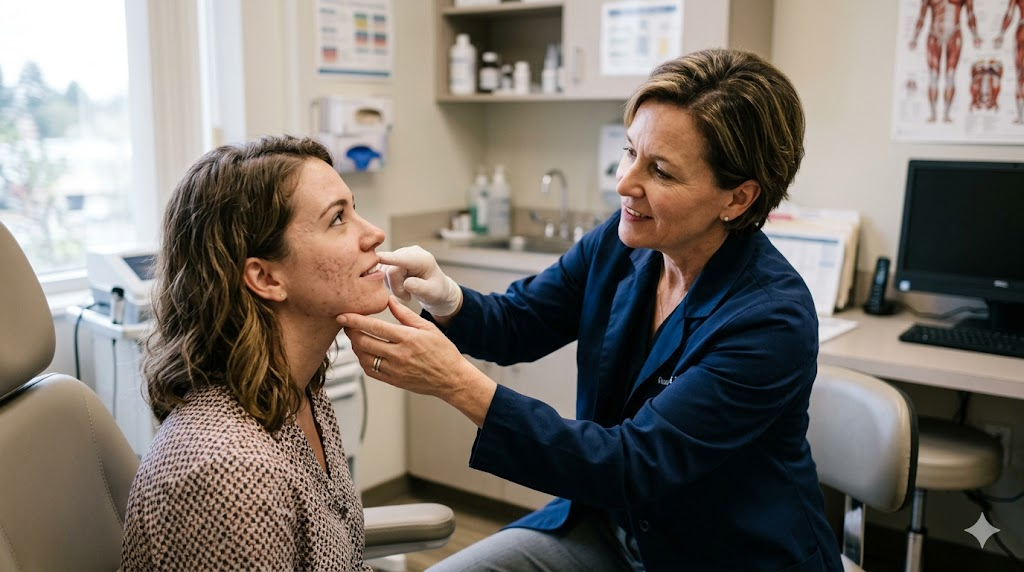
Good results often depend less on chasing one “best” acne treatment and more on matching the method to the scar and the skin.
With so many acne scar treatments available, it can be quite confusing to know which one to choose, made even more confusing by the fact that the best option on paper does not automatically mean it will be the most effective for your skin.
In this article, we’ll explain why one-size-fits-all advice breaks down and how better matching leads to more sensible treatment decisions.
Let’s get right into it.
Why the “Best” Treatment Is Not Universal
When you start looking into acne scar treatment, it can feel like you just need to pick the most advanced option and go for it. But in reality, it rarely works that way once you begin.
Not all scars are the same, even if they look similar in photos. Ice pick scars go deep into the skin, rolling scars are pulled down from underneath, and boxcar scars sit with sharper edges. Because of this, each one responds differently. On top of that, your skin tone, how easily you pigment, and how well you heal can all affect the outcome.
This is where things get confusing. You might hear that lasers are the “best” option, but if your scars are tethered, releasing them first with subcision often makes more sense. If your skin is sensitive or prone to pigmentation, jumping straight into aggressive treatments can backfire.
So the idea of one “best” treatment does not really hold up. What actually works is choosing something that fits your scars, your skin, and what you are comfortable going through to get results.
5 Different Factors That Affect Which Acne Scar Treatment Is Right for You
Now that you know there is no single acne scar treatment that works for everyone, it is important to understand the factors that affect finding the most suitable option for your skin.
With that said, here are the 5 factors that doctors use to determine which option may suit you best.
1. Scar Type
The type of scar you have shapes what may work best. Ice pick scars are deep and narrow, so they often need more targeted treatment. Rolling scars are usually tied down under the skin, which is why subcision is often considered.
Boxcar scars sit wider with clearer edges, so treatments that resurface or rebuild collagen may be more suitable for improving overall skin texture, too.
2. Skin Type and Tone
Even when two people have similar scars, their skin may not handle treatment in the same way. If your skin is prone to post-inflammatory pigmentation, stronger procedures can leave dark marks after healing.
If your skin is sensitive, repeated sessions may trigger more irritation than expected. That is why your doctor also weighs tone, reactivity, and recovery risk before recommending a treatment plan.
3. Healing Response
How your skin heals can change how much improvement you actually see. Some people build collagen more effectively after treatments like microneedling or laser, while others recover more slowly or stay red for longer.
If your skin tends to inflame easily, doctors may choose gentler settings or space sessions further apart. The goal is not just treatment, but treatment your skin can handle well and safely.
4. Downtime Tolerance
A treatment can look ideal until you think about recovery. Some options can leave you red, swollen, peeling, or extra sensitive for days, which may not suit your schedule. If you have work meetings, social plans, or cannot stay home for long, that matters.
A more intensive procedure is not always the better choice if the downtime does not fit into your week comfortably.
5. Treatment Goals
What you want from treatment changes what makes sense for you. If you want softer scars and a smoother texture, a gradual plan may be enough. If you are hoping for more visible change, your doctor may suggest combining treatments over time instead.
Some people want less makeup reliance, while others want better skin confidence in photos. Those goals shape the treatment plan from the start.
What a Proper Acne Scar Assessment Should Include
Before you choose any treatment, you need a proper assessment first. This is the part many people skip, but it is often what makes the difference between a treatment plan that makes sense and one that does not. A good assessment should not feel rushed or generic.
Here’s what a professional acne scar assessment should usually include:
- A consultation: You talk about what bothers you, how long you have had the scars, what you have already tried, and what kind of change you want to see.
- A scar check: Your doctor looks closely at whether your scars are ice pick, rolling, boxcar, or mixed, because each type usually responds differently.
- A skin review: This includes checking how sensitive your skin is, whether it marks easily, and how it tends to heal after breakouts or procedures.
- A check for active acne: If you still have inflamed acne, that often needs to be controlled first before scar treatment begins.
- A discussion about recovery and goals: This helps match the treatment plan to your schedule, comfort level, and expectations.
Why Generic Recommendations Often Break Down
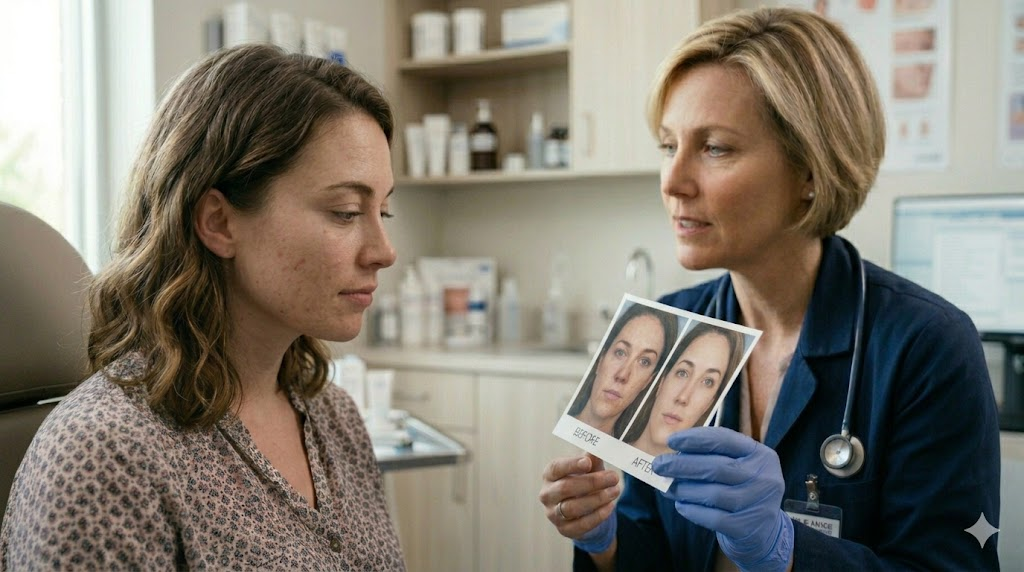
Generic acne scar advice often sounds helpful at first, but it usually falls apart once you compare it to real skin. Lists that say “laser is best” or “microneedling works for acne scars” leave out the details that actually change the decision.
The problem is context. A before-and-after result online does not show whether that person had rolling scars, boxcar scars, post-acne marks, or a mix of all three. It also does not show how many sessions they had, whether they combined treatments, or how their skin handled healing afterwards.
This is why copying someone else’s treatment rarely works well. A treatment that helped one person may not suit your scar pattern, skin tone, budget, or downtime tolerance. Even two people with similar scars may respond differently if one is prone to pigmentation and the other is not.
Generic advice also tends to oversimplify what a treatment can actually do. One session is rarely enough for meaningful scar improvement, and one treatment is not always the whole answer.
In practice, results often come from choosing the right approach, at the right intensity, in the right order. That is why proper matching makes more sense than broad recommendations.
How Matching Improves the Logic of Treatment Planning
When treatment is matched properly, the plan stops feeling random. Instead of picking the most talked-about option, your doctor can work out what your skin is more likely to respond to and in what order.
That matters because acne scar treatment is often not just about choosing a method. It is about deciding whether you need to release tethering first, improve texture gradually, avoid excess downtime, or lower the risk of pigmentation along the way.
A plan built this way is usually much easier to trust because each step has a reason behind it. It also leaves less room for guesswork, which is exactly why an evidence-based treatment for acne scars approach matters.
Rather than chasing hype or copying someone else’s results, you are following a treatment path shaped by scar type, skin behaviour, healing response, and your actual goals.
Conclusion
In the end, choosing an acne scar treatment is less about chasing the most impressive option and more about understanding what truly suits you best.
The biggest takeaway is simple: the right plan depends on your scars, your skin, your recovery, and the result you realistically want to achieve overall.
When acne, scar pattern, treatment choices, and proper matching are all considered together, the final recommendation becomes more sensible, personal, and easier to trust completely.
So rather than asking which treatment is best on paper, you are better off asking which one gives your skin the best chance to improve.