If you live in or near Wasilla, you’ve probably noticed how local wellness options keep expanding beyond the usual yearly checkup. Hormone therapy has become part of that conversation, especially for adults dealing with energy crashes, mood changes, sleep issues, and stubborn weight shifts. Before you jump into treatment, it helps to understand what hormone therapy actually involves, what providers look for, and how to decide whether it fits your health goals.
What Hormone Therapy Actually Means
Hormone therapy is a medical treatment used to address hormone imbalances that can affect how you feel day to day. You might hear about it in relation to menopause, perimenopause, low testosterone, thyroid concerns, or symptoms like brain fog and fatigue that seem to arrive out of nowhere and refuse to leave.
It’s not one single treatment. Your provider may use lab work, symptom reviews, and health history to figure out what’s happening. Then they might recommend pills, creams, pellets, injections, or lifestyle changes alongside treatment.
That variety matters. Hormones influence sleep, metabolism, mood, libido, and muscle mass. When levels are off, your body can feel like its internal settings got scrambled. A careful treatment plan aims to restore balance, not chase trendy promises or overnight transformations.
Why Choosing the Right Provider Matters
Hormone therapy is highly personal, so your provider choice carries real weight. You don’t want a one-size-fits-all plan handed over like a fast-food combo. Good care involves a full conversation about symptoms, family history, risks, current medications, and what you want out of treatment.
When comparing Wasilla Hormone Therapy providers, pay attention to whether they offer detailed evaluations instead of jumping straight to a product. The strongest providers usually explain testing, treatment options, side effects, and follow-up schedules in plain language.
You should also look for a provider who treats hormone therapy as part of a broader wellness plan. That includes sleep, nutrition, stress, exercise, and preventive care. Hormones can help, but they are not magic dust sprinkled over burnout and poor recovery habits.
Signs That Might Push You to Ask Questions
People often wait too long before bringing up hormone concerns because the symptoms can seem random. You may blame stress, getting older, or a packed schedule. Sometimes that’s part of the picture. Sometimes your hormones are waving a bright flag.
Common signs include:
- Ongoing fatigue even after decent sleep
- Mood swings or irritability that feel unusual for you
- Hot flashes or night sweats
- Low sex drive
- Trouble focusing or memory lapses
- Weight gain that doesn’t respond to normal habits
- Sleep problems that keep repeating
- Hair thinning or skin changes
One rough week doesn’t automatically mean hormonal imbalance. A pattern over months deserves attention. If you keep saying, “Something feels off,” that’s worth discussing. Your body usually drops hints before it starts shouting.
What Your First Appointment May Look Like
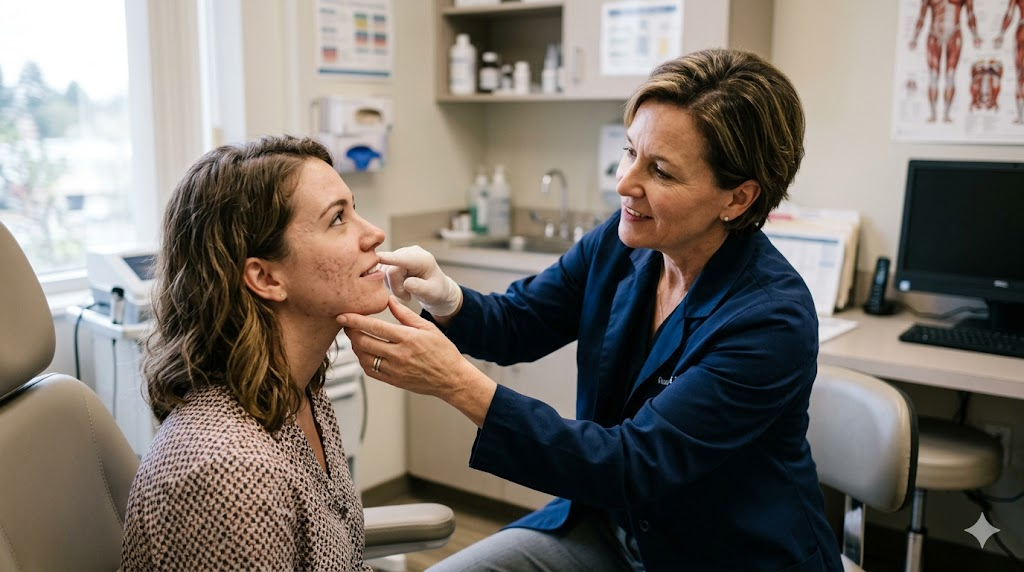
Your first appointment usually involves more listening than treating. A quality provider will ask about your symptoms, when they started, how often they happen, and how they affect your routine. You may also go over your menstrual history, weight changes, medications, sleep quality, and mental health.
Lab testing often comes next. Depending on your symptoms, that may include estrogen, progesterone, testosterone, thyroid markers, or other bloodwork. Some clinics may order additional testing to rule out other causes such as nutrient deficiencies or metabolic concerns.
This part can feel slow if you want fast answers. Still, careful assessment protects you from guesswork. Hormone symptoms can overlap with anxiety, sleep apnea, burnout, insulin resistance, or thyroid disease. You need the right diagnosis before starting treatment. Quick fixes sound tempting, but your endocrine system is not a vending machine.
Common Treatment Options and How They Differ
Hormone therapy comes in several forms, and each has pros and cons. A provider may recommend creams, patches, oral medications, injections, or pellet therapy depending on your condition, preference, and medical history.
Here are a few practical differences:
- **Creams and gels:** Easy to use at home, but dosing consistency matters
- **Patches:** Convenient for some people and often provide steady delivery
- **Oral medications:** Familiar and simple, though absorption and side effects vary
- **Injections:** Often used for testosterone and require scheduled dosing
- **Pellets:** Inserted under the skin for longer-term release, which appeals to people who don’t want frequent dosing
No option is automatically best. What works for your friend, coworker, or favorite fitness influencer may not work for you. Treatment should fit your lab results, symptoms, budget, comfort level, and follow-up needs.
Risks, Side Effects, and Realistic Expectations
Hormone therapy can be helpful, but it’s still medical treatment, not a wellness accessory. Side effects depend on the type of hormone, the dose, your age, and your health profile. Some people do well quickly. Others need adjustments to avoid issues like acne, bloating, headaches, breast tenderness, or mood changes.
There are also bigger medical considerations. Certain people may need extra caution because of a history of blood clots, cardiovascular concerns, hormone-sensitive cancers, or liver issues. That’s one reason proper screening matters.
You should also keep expectations grounded. Hormone therapy may improve energy, sleep, libido, and mental clarity, but it rarely flips a switch overnight. Progress can take weeks or months. A solid provider will talk to you about timelines honestly instead of selling a dramatic before-and-after fantasy.
Questions You Should Ask Before Saying Yes
Before starting treatment, ask direct questions. This isn’t rude or overly cautious. It’s smart. If a provider can’t explain the plan clearly, that’s useful information all by itself.
Ask things like:
- What specific imbalance are you treating?
- What tests support that conclusion?
- What benefits should I realistically expect?
- What side effects should I watch for?
- How often will I need follow-up visits or labs?
- What happens if the first treatment doesn’t work well?
- How much will this cost over time?
- Will I need to stay on treatment long term?
- You’re not shopping for a trendy add-on. You’re making a decision that affects your energy, health, and daily functioning. A strong provider will welcome informed questions instead of acting annoyed that you asked them.
How to Think About Cost, Convenience, and Long-term Care
Hormone therapy isn’t only about whether a treatment works in theory. It also needs to work in your actual life. Cost, travel, follow-up frequency, and maintenance all matter. Some people start enthusiastically, then drop off because appointments are hard to schedule or the total expense keeps climbing.
Check whether consultations, lab work, and medication are billed separately. Ask how often monitoring is required and whether dose adjustments are common in the early months. If you live near Wasilla, local access can make a big difference when you need repeat labs or routine check-ins.
Long-term care matters too. Hormones shift over time, especially during menopause, stress, weight changes, and aging. You want a provider who tracks progress and updates your plan instead of treating the first prescription like the end of the story.
A Smart Way to Move Forward
If hormone therapy has been on your radar, take a measured approach. Pay attention to patterns in your symptoms, gather your questions, and look for a provider who evaluates your health thoroughly. Good hormone care should feel grounded, evidence-based, and tailored to you.
You don’t need to chase every wellness trend or panic over every tired afternoon. You do need clear information and a provider who takes your concerns seriously. When treatment is handled thoughtfully, hormone therapy can become a useful tool for feeling more stable, energized, and like yourself again, which is a pretty good upgrade for everyday life.