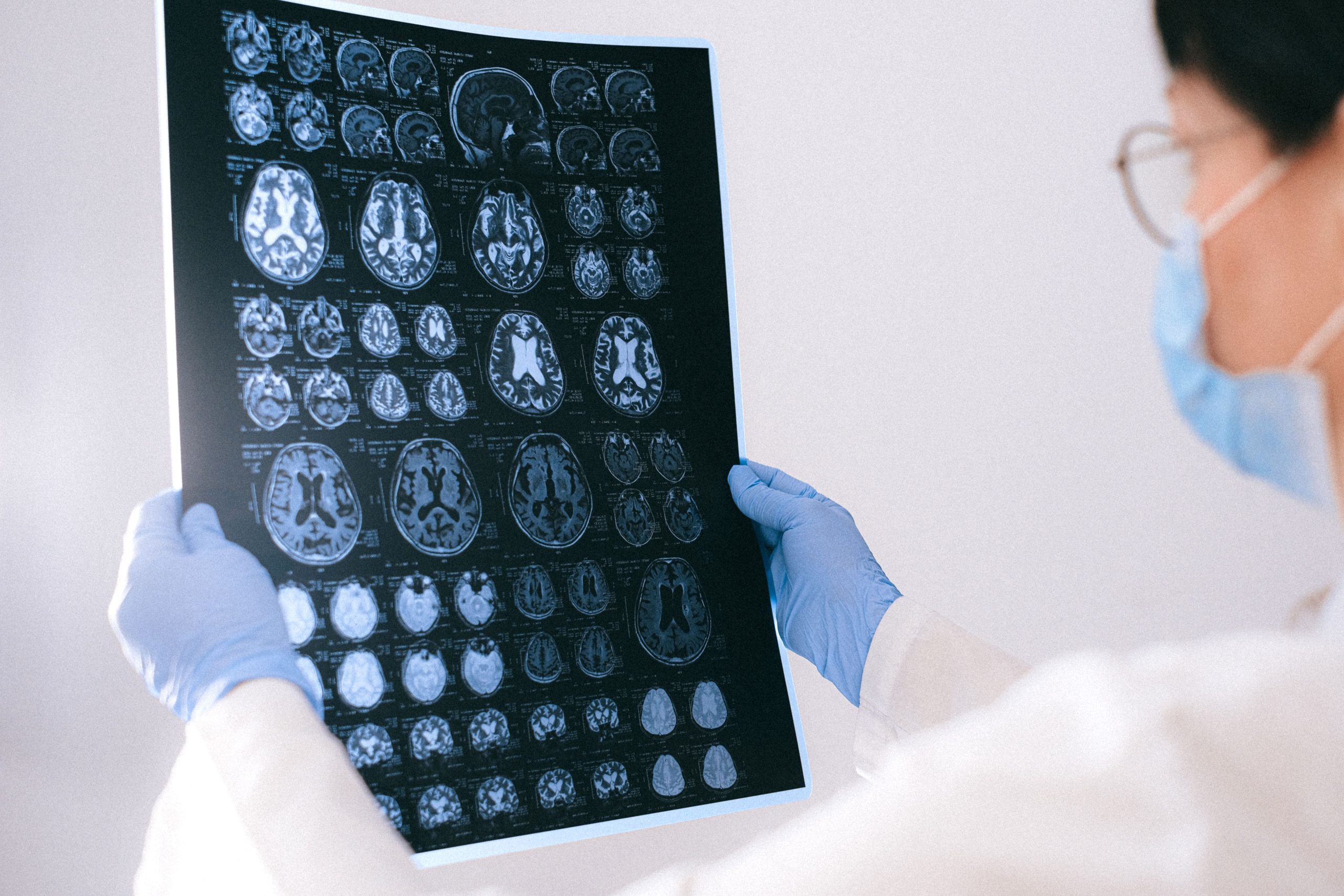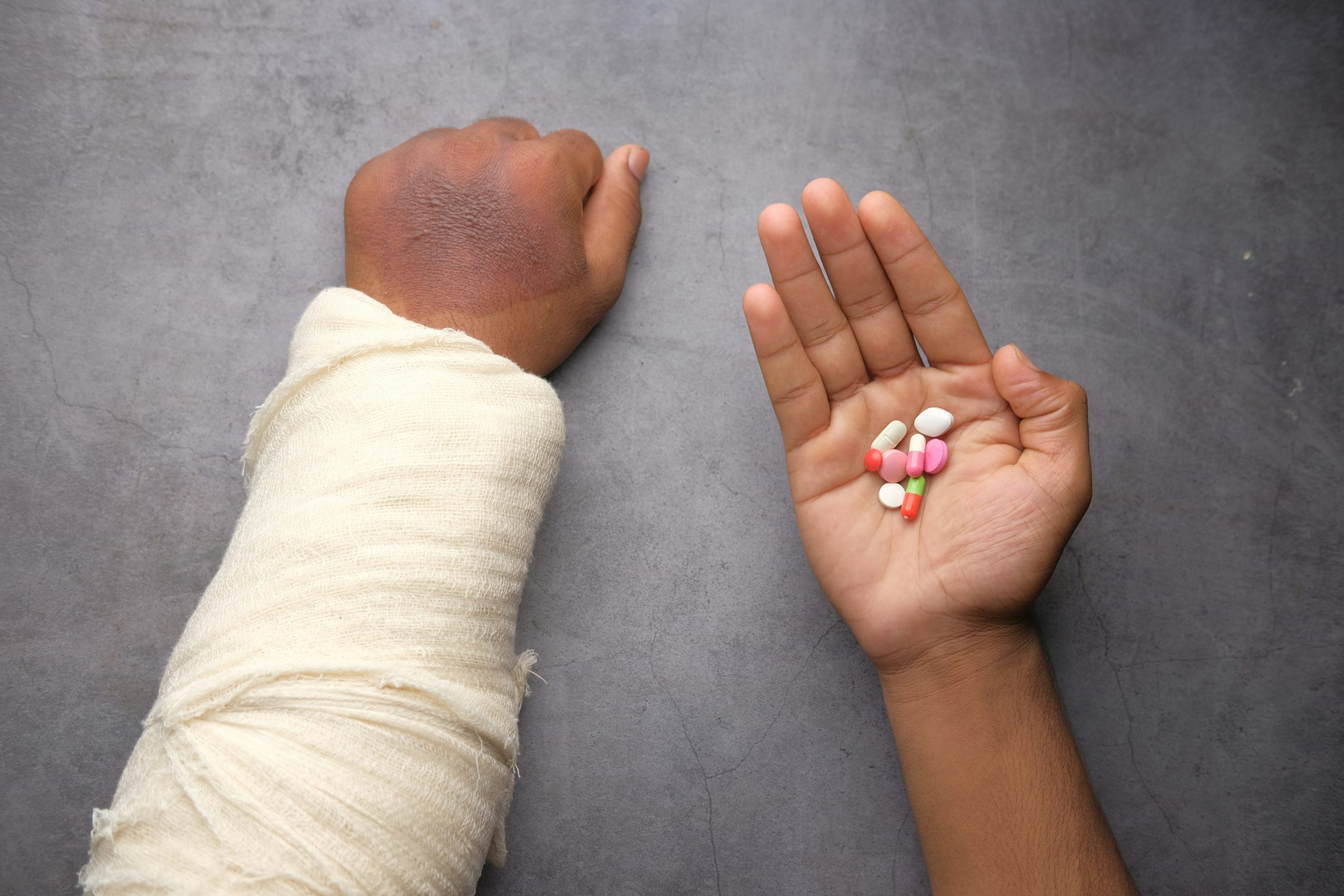
After a hard fall, the first instinct is usually to check what hurts. A scraped knee is obvious. A swollen wrist gets attention quickly. If there’s no blood, no broken bone sticking out, and you can stand back up, it can be tempting to assume you escaped with a few bruises.
The problem is that the outside of the body doesn’t always reveal what’s happening inside it. A forceful landing can affect organs, blood vessels, or other internal structures without leaving an injury that’s immediately visible. Some symptoms may also take time to become noticeable as bleeding, swelling, or inflammation develops.
That’s why recognizing signs of internal injuries after a slip and fall accident can matter. Feeling relatively normal right afterward doesn’t necessarily mean every injury will be obvious during those first few minutes.
Internal Injuries Can Be Easy to Miss
A fall can put tremendous force through the body, particularly when someone lands on the abdomen, chest, back, or side. The impact may cause damage beneath the skin even when there isn’t much to see afterward.
Internal bleeding is one concern because blood can collect inside the body rather than appearing through an open wound. Depending on where an injury occurs, organs and surrounding tissues may also be affected. The person may initially notice nothing more than soreness that seems completely reasonable after a hard fall.
That creates an easy opportunity to dismiss early symptoms. Someone expects to hurt after hitting the ground, so abdominal discomfort or unusual weakness may get blamed on ordinary bruising. The distinction isn’t always something a person can make at home. Persistent, severe, or worsening symptoms after significant trauma can require medical evaluation to determine what’s actually causing them.
Pay Attention When Pain Starts Changing
Pain after a fall isn’t unusual, but how that pain develops can provide important information. Discomfort that becomes increasingly severe rather than gradually improving may be more concerning, especially when it involves the abdomen, chest, back, or another area that took a direct impact.
Swelling, tenderness, or unusual abdominal firmness can also deserve attention. Large or spreading bruises may indicate that the impact caused more damage beneath the surface than initially appeared. Pain with breathing can raise additional concerns when the chest or ribs were involved in the fall.
The key isn’t to diagnose an internal injury based on one symptom. Many less serious injuries can produce pain and bruising too. It’s the overall picture that matters. A meaningful change after the accident, particularly symptoms that intensify or don’t fit the expected soreness from a minor fall, can be a reason to seek medical attention rather than simply waiting it out.
Dizziness and Weakness Can Be Important Clues
Not every warning sign appears where the body struck the ground. Internal blood loss or other complications can sometimes produce broader symptoms that affect how someone feels overall rather than creating obvious pain at the injury site.
Dizziness, fainting, unusual weakness, confusion, or feeling lightheaded can be concerning after significant trauma. A person may also look unusually pale or feel clammy. Breathing changes or a rapid heartbeat can accompany certain serious conditions as the body responds to an internal problem.
These symptoms shouldn’t simply be written off as nerves because the fall was frightening. Stress can certainly make someone shaky or lightheaded, but it’s difficult to know the cause without proper evaluation when significant trauma has occurred. When symptoms are severe, worsening, or accompanied by substantial pain or other concerning changes, getting prompt medical help can be far safer than trying to determine the explanation alone.
Delayed Symptoms Deserve Attention Too
One tricky thing about injuries after a fall is that the first hour doesn’t necessarily predict the next day. Adrenaline can temporarily change how pain is perceived, while certain symptoms become more noticeable as swelling or other physical responses develop.
Someone may go home believing they’re simply bruised and then notice increasing abdominal pain, dizziness, difficulty breathing, unusual fatigue, or worsening discomfort later. A delayed symptom isn’t automatically proof of a serious internal injury, but the fact that it wasn’t present immediately doesn’t make it irrelevant either.
This is why monitoring how you feel after a substantial fall can be important. New symptoms, meaningful changes, or pain that keeps getting worse deserve attention. It also helps to tell medical professionals exactly how the fall occurred, including what part of the body struck the ground or another object. That context can help them decide what injuries may need to be evaluated.
Conclusion
A scraped elbow or swollen ankle makes an injury easy to recognize. Internal injuries are different because there may be no obvious wound showing that something beneath the surface has been damaged. That can make a serious problem look deceptively ordinary at first.
Pain that becomes worse, significant abdominal or chest symptoms, dizziness, weakness, fainting, breathing difficulties, or other unusual changes after a fall shouldn’t be ignored simply because the person initially felt okay. Symptoms can evolve as the body’s response to the injury develops.
Most soreness after a fall won’t necessarily mean something dangerous is happening internally. The challenge is knowing which symptoms are routine and which aren’t, and that’s not always possible from appearance alone. When a fall involves substantial force or concerning symptoms begin developing afterward, medical evaluation can help determine what the bruises on the outside aren’t able to show.