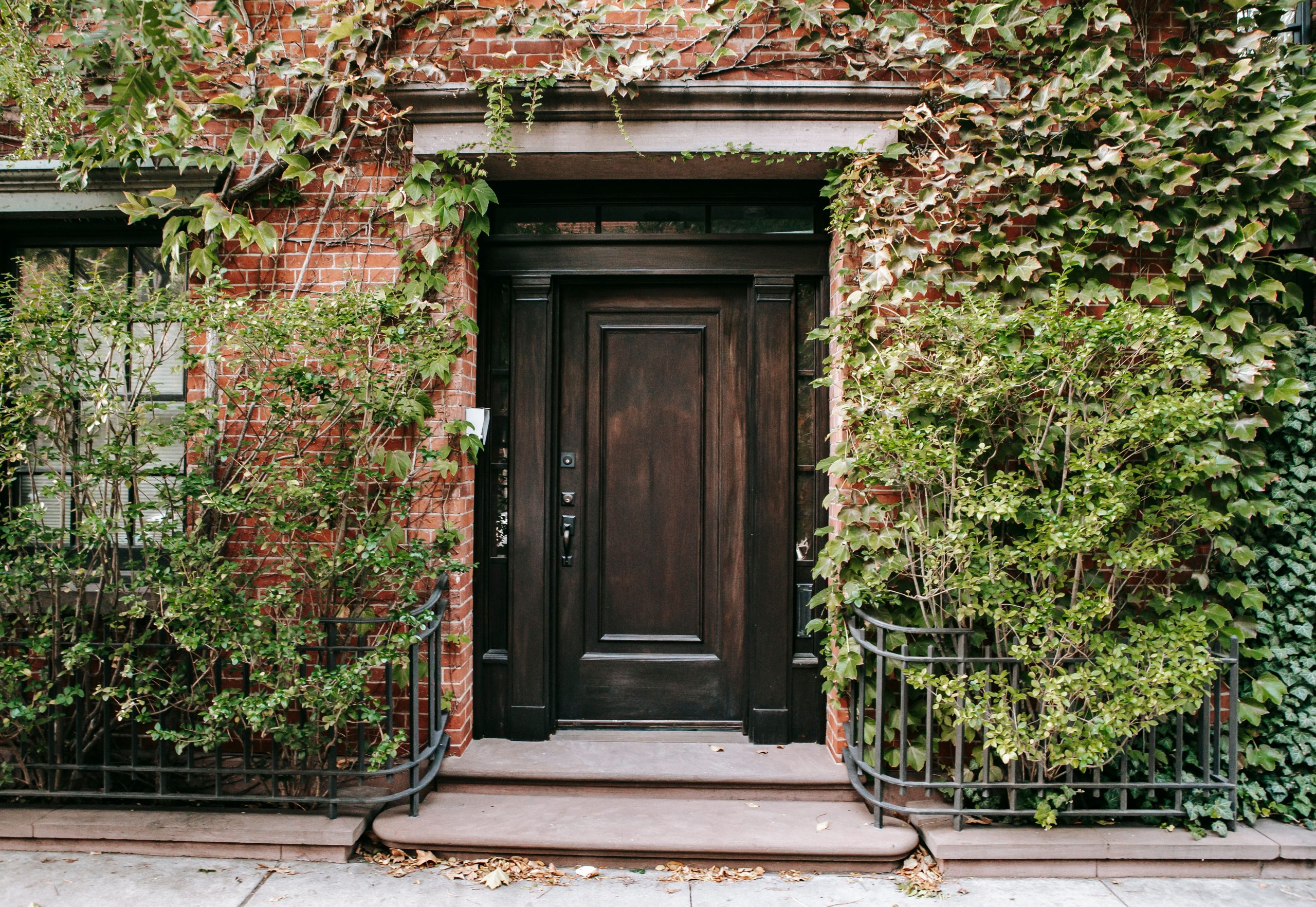
Every front door begins life as a stack of boards in a lumberyard, smelling faintly of a campfire that never got lit. Nobody gasps at that pile. It looks like firewood with ambitions, and for a while, that’s about all it has going for it.
Then somebody measures, sketches, and starts making decisions. Which boards? How thick? Where does the glass go? The pile picks up proportions, edges, and a point of view, the way a lump of clay eventually admits it’s going to be a bowl.
That’s the strange magic of wood. Few materials travel so far from ordinary to remarkable, and few end up as the first thing every guest, delivery driver, and nosy neighbor sees. A well-made entry is basically a home’s handshake.
Grain Makes Every Piece Slightly Different
Walk through a lumberyard and you’ll notice that no two boards agree. Oak shows bold, open grain. Mahogany runs warm and reddish. Knotty alder leans rustic and a bit rowdy. Each species has its own personality, and the choice sets the mood early.
Homeowners who want a custom wood door Denver CO that builders can shape around their house start right here, picking a species like a paint color, except this color comes with texture, depth, and quirks. Wood doesn’t do identical twins, and that’s the appeal.
Tone shifts, too. Stain can deepen a pale board into something moody, while clear finish lets the color glow. Grain keeps its opinions either way. Two doors cut from one tree look like cousins, never clones, which beats anything a factory promises.
Design Changes the Personality of the Material
Hand one plank to ten designers and you’ll get ten different doors. Raised panels feel traditional. Flat, clean slabs go modern. Add a slim window of glass and the whole entry suddenly feels lighter, brighter, and friendlier.
Carvings and proportions do the heavy lifting on character. A tall, narrow door has a different attitude than a wide, stout one. Thickness matters too, since a hefty slab feels solid under the hand and sounds great closing. Nobody brags about a thin, hollow thud.
Hardware is the jewelry. Matte black pulls, aged bronze handles, or a bold iron knocker can shift the same door from cottage to castle. The trick is restraint, because wood already has plenty to say. Good hardware just finishes the sentence.
Wood Has to Live Outdoors
Here’s the catch with a beautiful wooden entry. It lives outside, and the outdoors isn’t gentle. Sun bakes it, rain soaks it, and winter freezes whatever moisture sneaks in. A front door works a tougher job than most furniture ever will.
Wood also moves. It swells when the air turns damp and shrinks when things dry out, which is just wood being wood. Good construction plans for that motion. Finishing seals every edge, top and bottom included, so moisture can’t slip in through overlooked spots.
Maintenance is less scary than it sounds. A fresh coat of finish every so often, a quick look for worn spots, and some shade from a porch roof go a long way. Think of it as sunscreen for the door, a small chore that prevents a large regret.
Craftsmanship Shows Up in the Details
Step close to a well-built door, and the details start talking. Joinery is the first clue. Tight mortise and tenon joints hold a frame together for decades, while sloppy ones loosen up and rattle. Most of that work is invisible, but you can feel it.
Fit and alignment come next. A properly hung door closes with a soft, confident click, and the gaps look even all the way around. When a door sticks or lets daylight in at the edges, someone cut a corner, probably literally.
Custom sizing is where the real freedom lives. Older homes have odd openings, arched tops, and dimensions no catalog ever heard of. Building to fit means nothing gets forced or hidden behind caulk. The door belongs to the house instead of just standing in it.
Conclusion
So a pile of lumber becomes a door, and the journey is bigger than it looks. Someone picked a species, read the grain, and chose a tone that suits the house. Those early choices set a direction nothing downstream can fully undo.
Along the way, design gave the wood a voice, and finishing gave it a shield against sun, snow, and everything between. Craft tied it together with joints that hold and edges that line up. Each step added purpose to a material that began as plain boards.
What stands at the front of the house now is far more than timber. It frames how people arrive, shapes the first impression, and keeps weather and strangers outside. That’s the quiet trick of a great entry, turning raw material into real architecture.