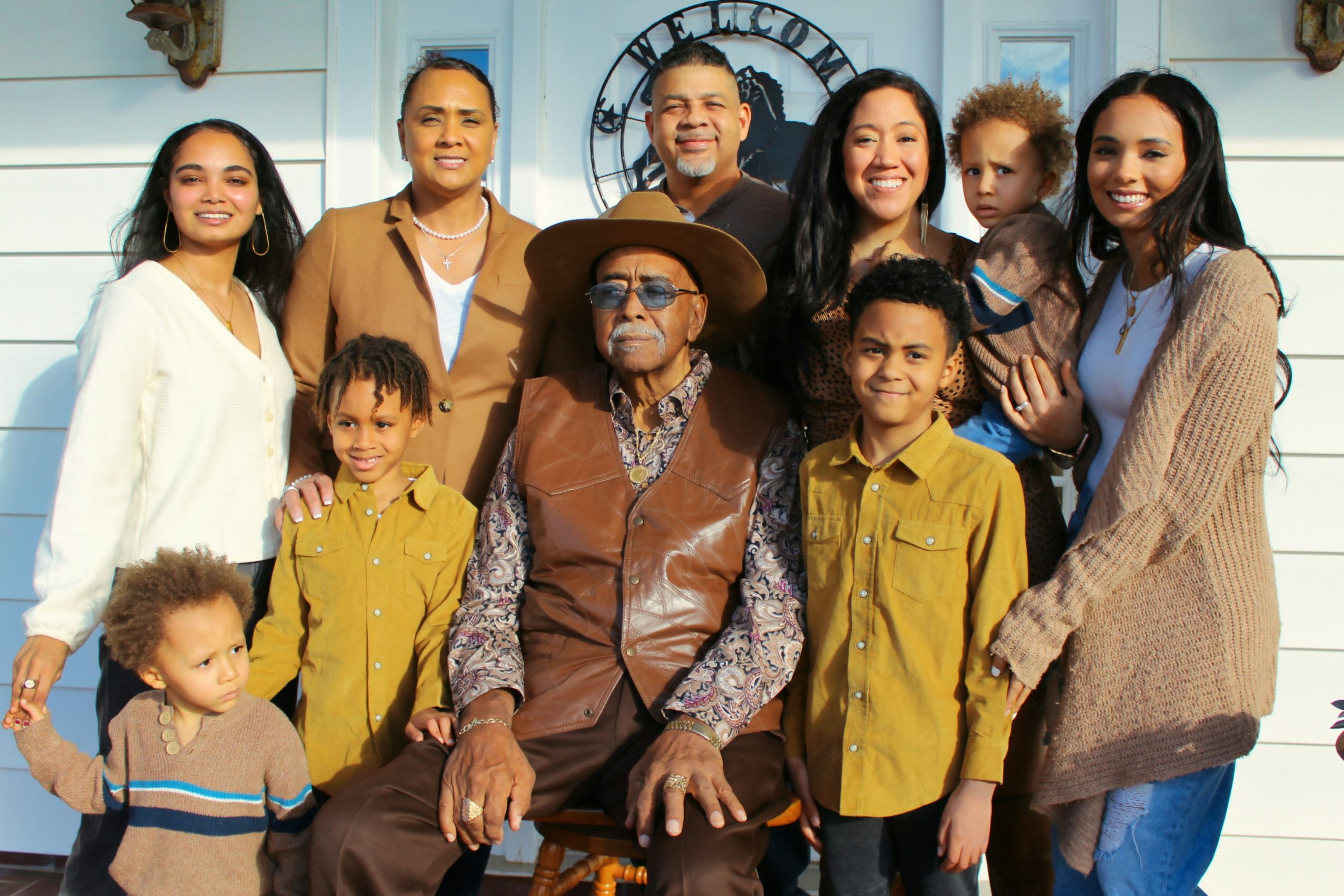
Losing a grandparent suddenly is a deep shock that affects every family member. Grandparents often hold family history, offer unconditional love, and keep traditions alive. When their life ends unexpectedly, it leaves a huge gap, creating complicated grief and practical problems for those left behind.
Coping With Sudden Loss
Right after a sudden loss, everything can feel like a blur of disbelief and pain. There’s no set time for grief, and everyone in the family will go through it differently. The surviving spouse, their children, and their grandchildren will each process the loss from their own viewpoint. It’s important to make room for all these feelings, whether they are anger, sadness, or confusion.
During this time, rely on your support network. Talk with friends, other family members, or a grief counselor. Many people mistakenly believe they have to be “strong” for others. But showing your own vulnerability can permit others to do the same, creating an environment where everyone can heal together. While people often focus on younger family members, the loss of a grandparent is deeply felt across generations, showing just how strong family connections can be.
The Impact on Grandchildren
For a child, losing a grandparent might be their first experience with death. They might struggle to grasp that the loss is permanent and find it hard to express their feelings. Adults are often so caught up in their own grief and practical arrangements that children can end up feeling forgotten grievers.
To help a child cope, you need to be honest and use clear, simple language they can understand. Don’t use phrases like “went to sleep” or “went on a trip,” which can be confusing and scary. Encourage them to ask questions and share memories. Creating a memory box, looking at photos, or telling stories about their grandparent can be comforting rituals.
These activities help them process their feelings and keep their grandparent’s memory alive. Reassure them that it’s okay to be sad and that they’re not alone in how they feel.
Navigating Practical Matters
While dealing with overwhelming emotions, the family also has to handle many practical tasks. These can include planning a memorial service, managing financial accounts, and dealing with the deceased’s estate. The sheer number of responsibilities can feel overwhelming. It’s smart to share tasks among family members if possible and not to hesitate to ask for help.
If the death was not only sudden but also preventable because of someone else’s negligence, the practical issues can become even more complicated. Families might face unexpected medical bills and a loss of financial support, all while dealing with a deep sense of unfairness.
In these tough situations, part of the process might involve getting legal advice. Talking to experienced wrongful death lawyers can help a family understand their rights and explore options for holding the responsible parties accountable.
Ensuring Justice for the Family
When a grandparent dies due to an accident or negligence, seeking justice can be a key part of the healing process for some families. This isn’t about putting a price on a life. Instead, it’s about holding people accountable and trying to prevent a similar tragedy from happening to another family. This path can offer a sense of closure and validation that the loss was not meaningless.
This process involves looking into how the death happened, collecting evidence, and proving who was responsible. For a family already grieving, this can seem like an impossible task. That’s why getting professional support is so important. A legal team can handle the complex details of the case, letting the family focus on grieving and supporting each other. Achieving justice can become a final, powerful act of love and a testament to the grandparent’s lasting legacy.
Losing a grandparent is heartbreaking, but their spirit lives on in the stories you tell, the traditions you keep, and the love you share as a family. Honoring their memory is the most beautiful way to ensure their legacy endures for generations.