A comfortable home is something most people only notice when it slips away. One room feels stuffy while another stays cool, the vents seem to push out less air than they used to, or the house feels damp and heavy even when the thermostat says everything is fine.
These small changes are easy to ignore at first, yet they often point to a larger issue building quietly inside the cooling and heating system. Understanding what causes these problems helps homeowners spot them early, keep their living space pleasant, and avoid bigger trouble down the road.
When Cooling Trouble Needs Expert Attention
Many comfort problems start small and grow worse the longer they are left alone. When an AC unit begins blowing warm air, cycling on and off too often, or making strange noises, the cause is usually a worn part, a refrigerant leak, or a failing electrical connection.
These faults need professional repair work because guessing at the cause can lead to wasted time and further damage to the system. The safest step is to hire an AC repair technician who offers 24/7 emergency service, same-day visits, full system diagnostics, and work on all major equipment brands. Getting the root cause fixed properly restores steady comfort and protects the system from repeat breakdowns.
Why Some Rooms Feel Warmer Than Others
Uneven temperatures are one of the most common complaints in homes of every size. A bedroom at the far end of the house may stay warm all afternoon, while the living room feels just right. This often happens because cool air travels a long distance through the ductwork and loses strength along the way.
Sun exposure plays a part as well. Rooms with large windows facing the afternoon sun absorb more heat, which makes them harder to cool. Poor insulation in walls or attics allows warm air to creep in and undo the work your system is doing.
Closed or blocked vents add to the problem. Furniture, rugs, and curtains placed over vents stop air from reaching the room. Keeping vents open and clear is a simple first step toward a more balanced home.
What Weak Airflow Says About Your System
When you hold your hand near a vent and feel only a faint breeze, something is restricting the flow of air. A clogged filter is the most frequent cause. Over time, dust, pet hair, and debris build up and choke the air before it can move through the home.
Leaky or damaged ducts are another common culprit. Gaps, loose joints, or crushed sections allow cool air to escape into the attic or walls instead of reaching your rooms. You end up paying to cool spaces you never use.
A struggling blower motor can also reduce airflow. This part pushes air through the ducts, and when it weakens, the whole house feels the difference. Weak airflow should never be treated as normal, since it puts extra strain on the system and shortens its working life.
How Humidity Affects Indoor Comfort
Temperature is only half of the comfort picture. Moisture in the air has a major effect on how warm or cool a room feels. A home with high humidity feels sticky and uncomfortable, even when the temperature setting seems reasonable.
A properly working cooling system removes moisture as it runs. When it fails to do this, you may notice clammy surfaces, a musty smell, or condensation forming on windows. Lingering moisture can also encourage mold growth, which affects both the home and the health of the people living in it.
An oversized system can create this problem too. It cools the house too quickly and shuts off before it has time to pull moisture from the air. The result is a cool but damp home that never feels quite right.
The Hidden Role of Filters and Ductwork
Filters and ducts work out of sight, so they are easy to forget. Yet they have a direct effect on comfort, air quality, and energy use. A dirty filter makes the system work harder to move air, which raises energy costs and adds wear to its parts.
Most homes benefit from checking the filter every month and replacing it whenever it looks gray or clogged. Homes with pets, allergy sufferers, or ongoing construction nearby may need more frequent changes.
Ductwork deserves attention as well. Dust and debris collect inside the ducts and are blown back into your living space each time the system runs. Sealing leaks and cleaning the ducts can improve airflow, reduce dust on furniture, and help the whole home feel fresher.
Thermostat Settings and Placement Matter
The thermostat acts as the brain of your comfort system, and small mistakes here can cause big problems. A thermostat placed in direct sunlight, near a kitchen, or beside a drafty door may read the wrong temperature. It then tells the system to run too much or too little.
Older thermostats can also lose accuracy over time. If the temperature you set rarely matches how the room actually feels, the thermostat may need to be adjusted or replaced. A programmable model lets you set comfortable temperatures for different times of the day, which saves energy while you are away.
Constantly changing the setting is another common habit that works against comfort. Picking a steady temperature and leaving it in place allows the system to run evenly and keep the home balanced.
Simple Habits That Keep Your Home Comfortable
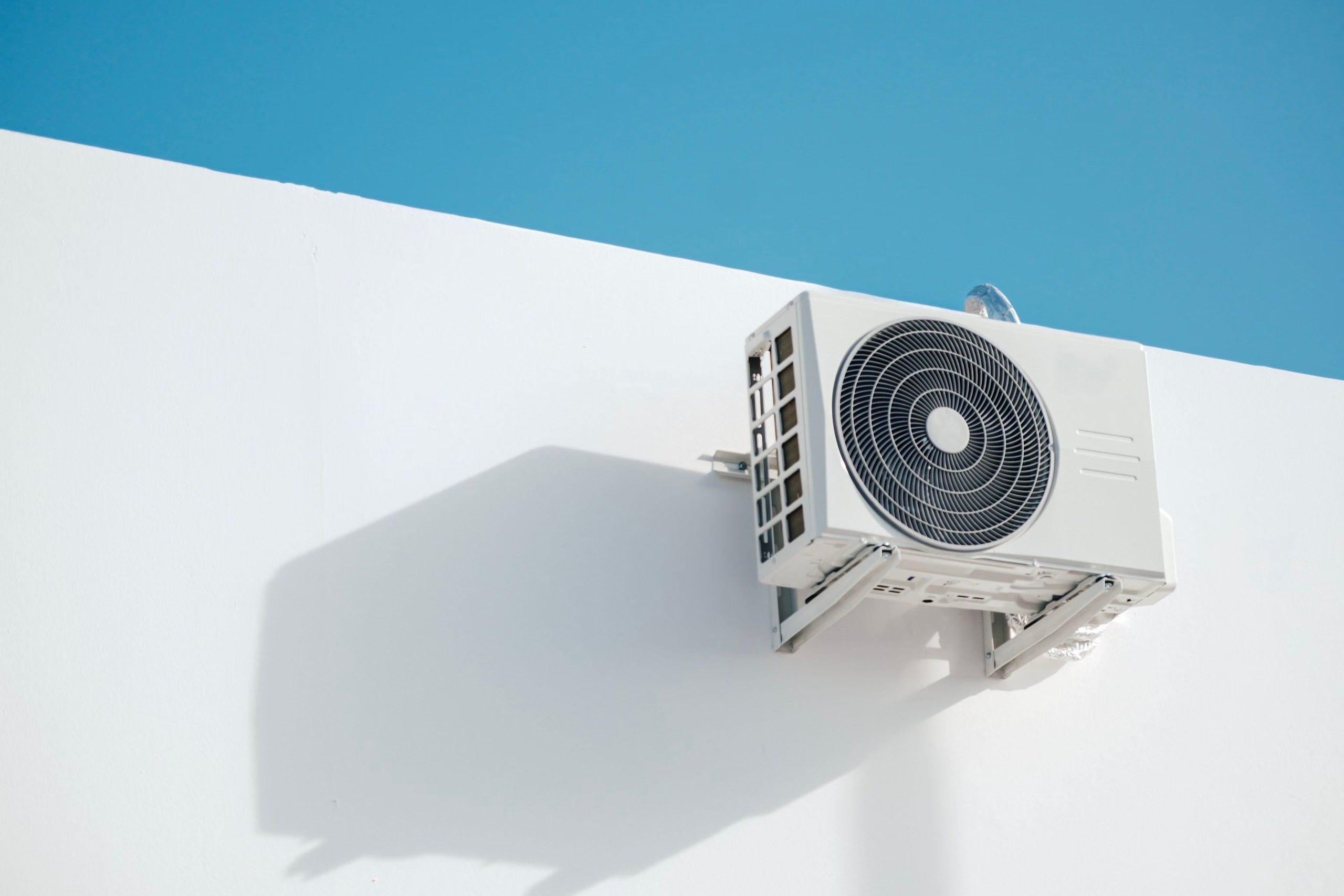
Good comfort often comes down to small, steady habits. Changing filters on schedule, keeping vents clear, and making sure the outdoor unit is free of leaves, grass clippings, and overgrown plants all help the system breathe easily.
Routine maintenance visits catch worn parts before they fail. A technician can clean the coils, check electrical connections, test refrigerant levels, and spot early warning signs that are easy to miss. Regular tune-ups help the system run efficiently and lower monthly energy bills.
Paying attention to how your home feels is just as important. New noises, unusual smells, rising energy costs, or rooms that suddenly feel different are all signals worth acting on. Responding early keeps small problems from turning into costly breakdowns and helps your home stay comfortable all year.