As people get older, familiar tasks around the home can sometimes become more challenging. Climbing stairs, stepping into the bath, reaching kitchen cupboards, or managing uneven paths can require more effort than they once did. For many older people, making practical changes to their home can help them maintain their independence, remain comfortable, and continue living in a place filled with familiar surroundings and memories.
Adapting a property does not necessarily have to mean undertaking a major renovation. Relatively small improvements can make every day routines safer and easier, while more substantial adaptations can provide support as mobility needs change. Planning ahead can also help older homeowners to prepare for the future. Read on to explore some home improvements that can make a meaningful difference.
Making Different Levels Easier To Access
Stairs can become increasingly difficult to manage with age, particularly for older people experiencing joint pain, reduced balance, or limited mobility. When bedrooms or bathrooms are located upstairs, navigating between floors can become a daily challenge. This may lead people to avoid certain rooms or spend more time on one level of their home, even when they would prefer to use the whole property. Finding a suitable way to overcome these barriers can help older people maintain greater freedom in their homes.
Wheelchair lifts can provide an accessible way to move between the different levels, depending on the person’s mobility needs and the layout of the property. Although the name suggests they are only for wheelchair users, some lift solutions may also suit non-wheelchair users who simply find stairs difficult to manage. Options vary according to the height being travelled, available space, and whether access is needed indoors or outdoors. A professional assessment can establish which type of lift is appropriate. For older homeowners who want to remain in a familiar property for as long as possible, improving access between floors can be an important alternative to moving house.
Creating A Safer, More Accessible Bathroom
Bathrooms can present particular challenges for older people because slippery surfaces, raised bath edges, and confined spaces can increase the risk of falls. Tasks that once felt straightforward, such as getting into the bath or stepping out of a shower, may become less comfortable when balance or flexibility changes. Making the bathroom safer can help older people maintain their personal care routines with greater confidence and less reliance on assistance.
Replacing a traditional bath with a walk-in shower can reduce the need to climb over a high edge, while grab rails can provide additional support when standing, sitting, or moving around the room. A level-access shower may be worth considering where the property and drainage arrangements allow one to be installed. Other useful additions include slip-resistant flooring, a sturdy shower seat, handheld shower fittings, and improved lighting. The right combination will depend on the individual’s needs, so it is worth considering how the bathroom is used every day rather than making changes based on age alone. Thoughtful adaptations can help the room remain practical, comfortable, and dignified to use.
Keeping The Home Comfortable Throughout The Year
Older people may find it harder to stay comfortable when indoor temperatures fluctuate, particularly during very hot weather or colder spells. A home that becomes too warm in summer or struggles to maintain a comfortable temperature in winter can affect sleep, rest, and everyday routines. Good temperature control is therefore an important consideration when creating a home that supports wellbeing in later life.
An air conditioner and heater, supplied by companies such as London Cool, can provide cooling and heating through a single system, helping maintain a more comfortable indoor environment throughout the year. This may be useful in frequently occupied rooms such as bedrooms and living rooms, where a consistent temperature can make daily life more pleasant. Some modern systems also offer convenient controls, allowing users to adjust settings without having to operate separate appliances. When choosing a system, it is important to consider ease of use, maintenance, installation requirements, and running costs. Alongside suitable insulation and ventilation, effective temperature control can help older people feel more comfortable at home in every season.
Improving Entrances And Outdoor Access
Being able to leave the house comfortably is an important part of maintaining independence in later life. However, front steps, uneven paving, narrow doorways, and poorly lit paths can make coming and going more difficult for older people with reduced mobility or balance concerns. These obstacles can also discourage people from going out as often as they would like, potentially making it harder to maintain social connections and everyday routines.
Installing a suitable access ramp can provide a gentler route over steps or raised thresholds, provided there is enough space and the gradient is appropriate. Handrails, secure paving, and motion-sensor lighting can offer further support around entrances and garden paths. It is also worth checking that doors are easy to open, thresholds are not unnecessarily high, and outdoor areas are kept free from loose stones, moss, and clutter. For more substantial changes, an occupational therapist can assess the home and recommend adaptations suited to the individual’s needs. Improving access can make it easier to visit friends, attend appointments, walk the dog, or simply enjoy time outdoors, helping older people remain connected to the world beyond their front door.
Making Everyday Tasks Easier In The Kitchen
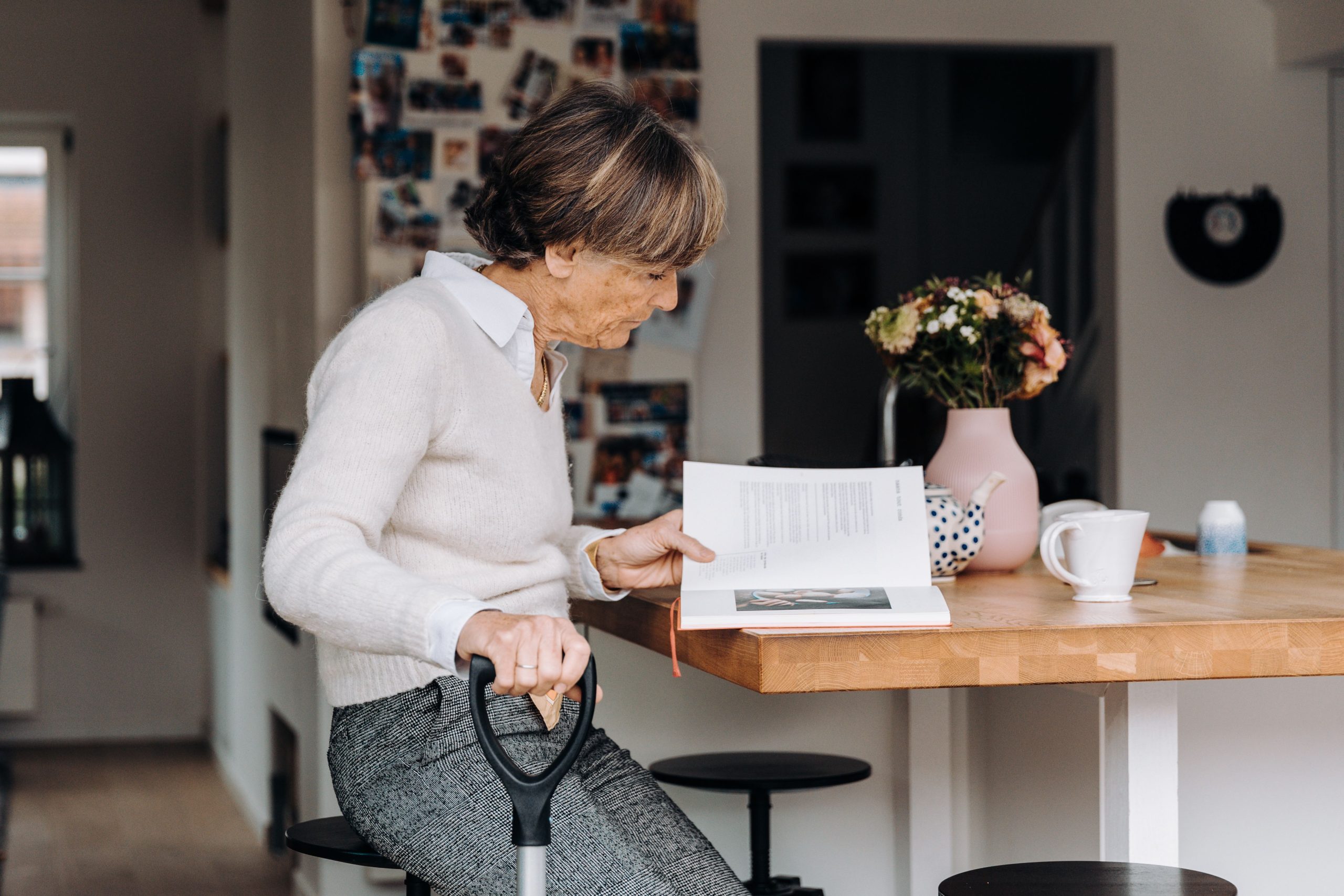
Preparing meals can become more tiring with age, particularly when it involves prolonged standing, bending down to reach cupboards, or lifting heavy pans and kitchen equipment. For older people who want to continue cooking independently, adjusting the kitchen can make familiar routines more manageable without sacrificing the enjoyment of preparing food.
Frequently used items should be stored within easy reach, while pull-out drawers and accessible shelving can reduce the need to stretch or bend. Adapted kitchen worktops can also make a difference, particularly for people who prefer to prepare food while seated. Depending on individual needs, lowered preparation areas, suitable knee clearance, and conveniently positioned appliances can improve access around the room. A sturdy chair or perching stool may provide a place to rest during longer tasks, while good lighting can make chopping, reading packaging, and handling ingredients easier. Keeping commonly used equipment close at hand can reduce unnecessary movement and help the kitchen remain a practical space for independent living.