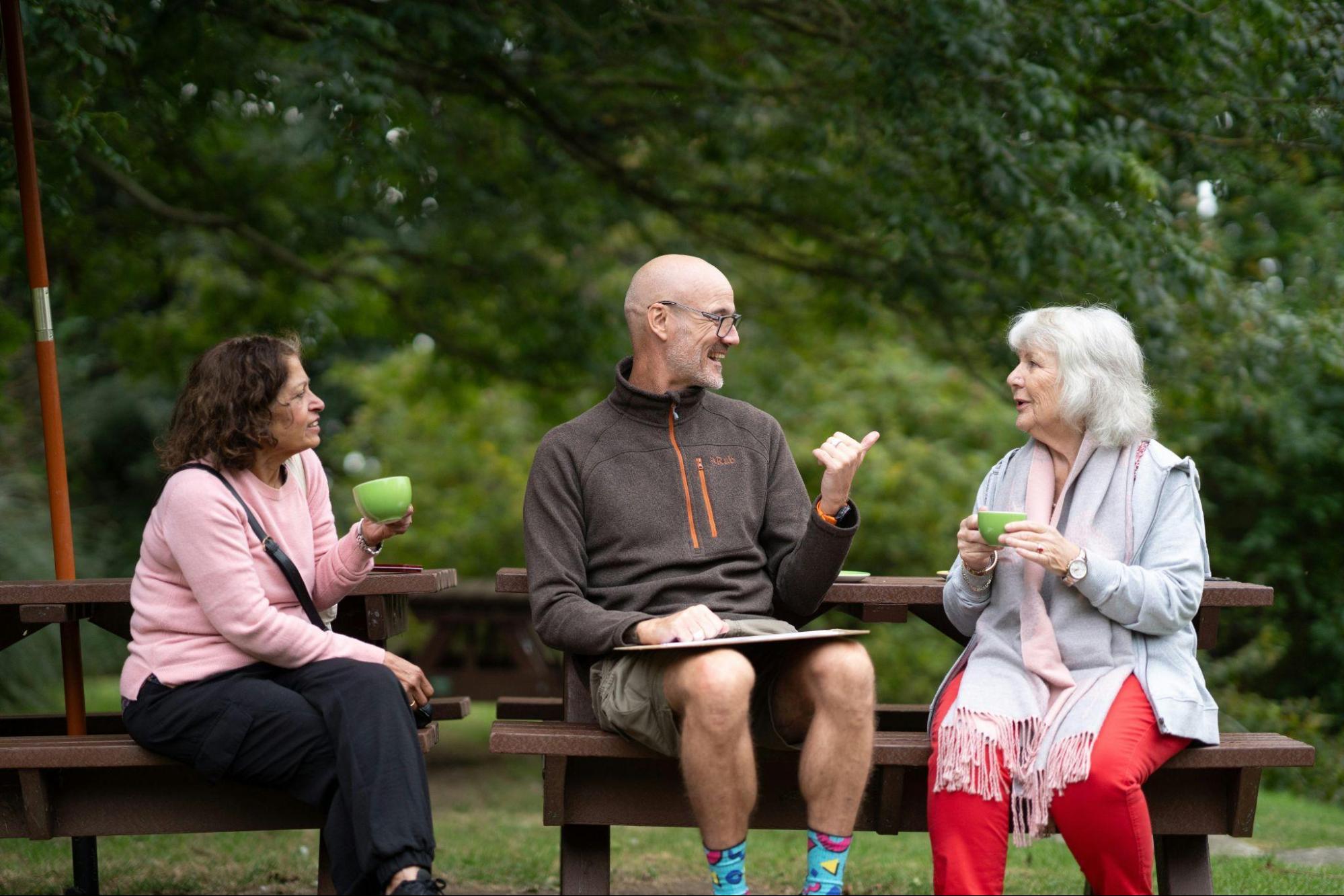
Getting older does not have to mean giving up the activities that make everyday life enjoyable. While energy levels, recovery and mobility may change over time, small adjustments can make it easier to remain active and feel more comfortable.
The most sustainable approach is rarely based on pushing harder. It usually comes from paying closer attention to movement, rest, sleep, food and routines that support the body between active days. Walking, gardening, swimming, light strength work and other enjoyable activities can all have a place, depending on individual ability and health.
Consistency matters more than trying to prove what the body can still do. By choosing realistic activities and allowing enough time for recovery, staying active can remain part of everyday life rather than becoming an occasional effort followed by days of exhaustion.
Give Recovery the Same Attention as Activity
Staying active is easier when recovery is treated as part of the routine rather than something considered only after a particularly demanding day.
That might mean leaving more space between strenuous activities, warming up gradually or simply noticing when the body needs a lighter day. People exploring different wellness approaches may also come across resources such as oxify.com while looking at ways to make recovery a more deliberate part of an active lifestyle.
The important principle is to avoid turning tiredness into a competition.
An activity that leaves someone unable to move comfortably for several days may be less useful than a slightly easier version that can be repeated consistently. Recovery needs can also change with age, so routines that worked years ago may need adjusting.
Listening to those changes makes it easier to remain active over the long term.
Make Everyday Self-Care Simple Enough to Repeat
Feeling better is not only about exercise. Small routines that make mornings or evenings more comfortable can also influence how manageable the day feels.
Some people enjoy creating a brief self-care routine around bathing, skincare or other personal-care habits. For example, https://www.naturopathica.com/ fits into this broader wellness space, where the emphasis can be on taking a little intentional time for personal comfort rather than treating self-care as an occasional luxury.
The routine does not need to involve numerous products or complicated steps.
A warm shower after a walk, comfortable clothes in the evening or a few quiet minutes before bed may be enough to create a useful transition between activity and rest.
Habits are usually most effective when they are easy to maintain.
Choose Movement You Actually Enjoy
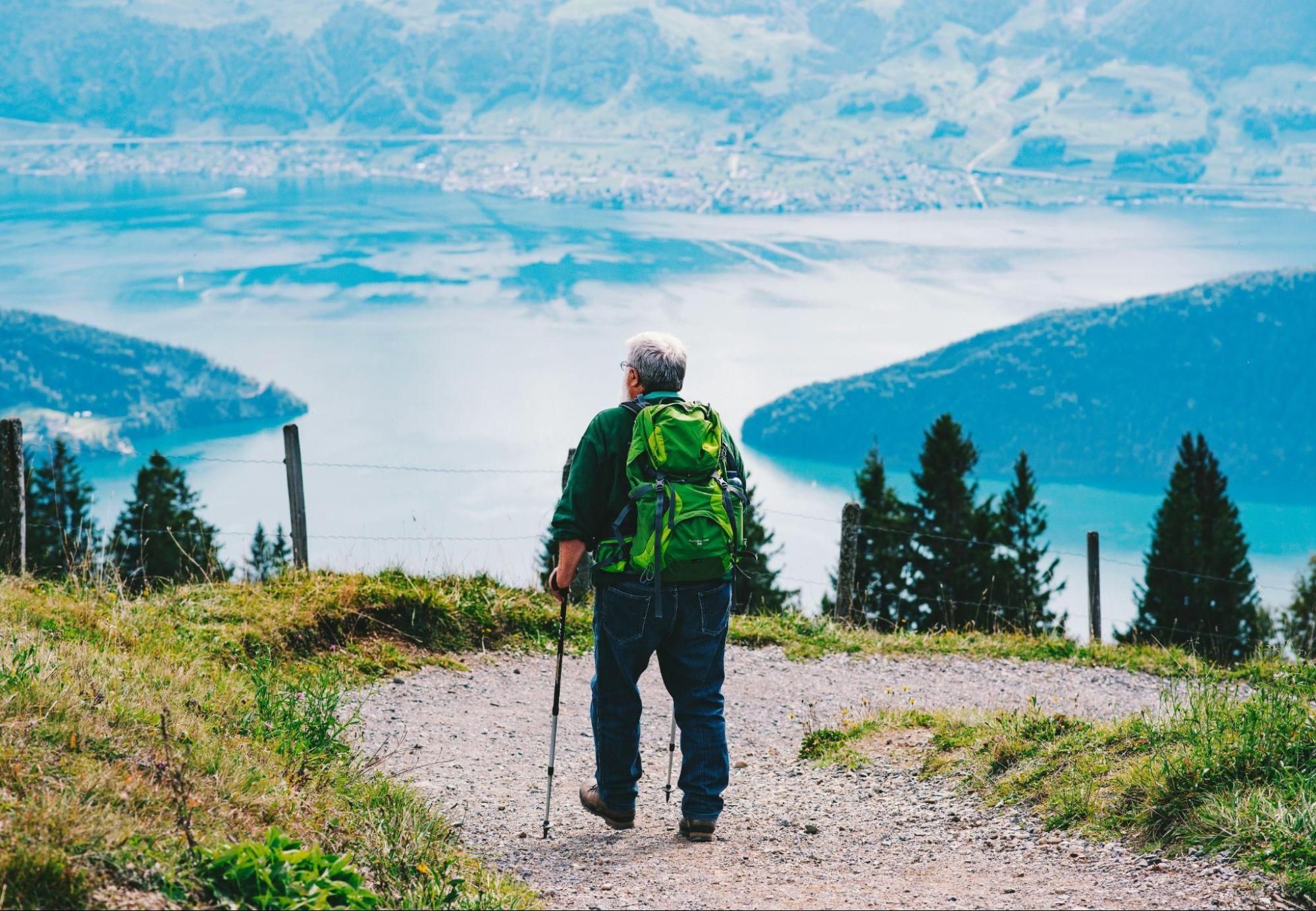
Exercise becomes much harder to sustain when every session feels like an obligation.
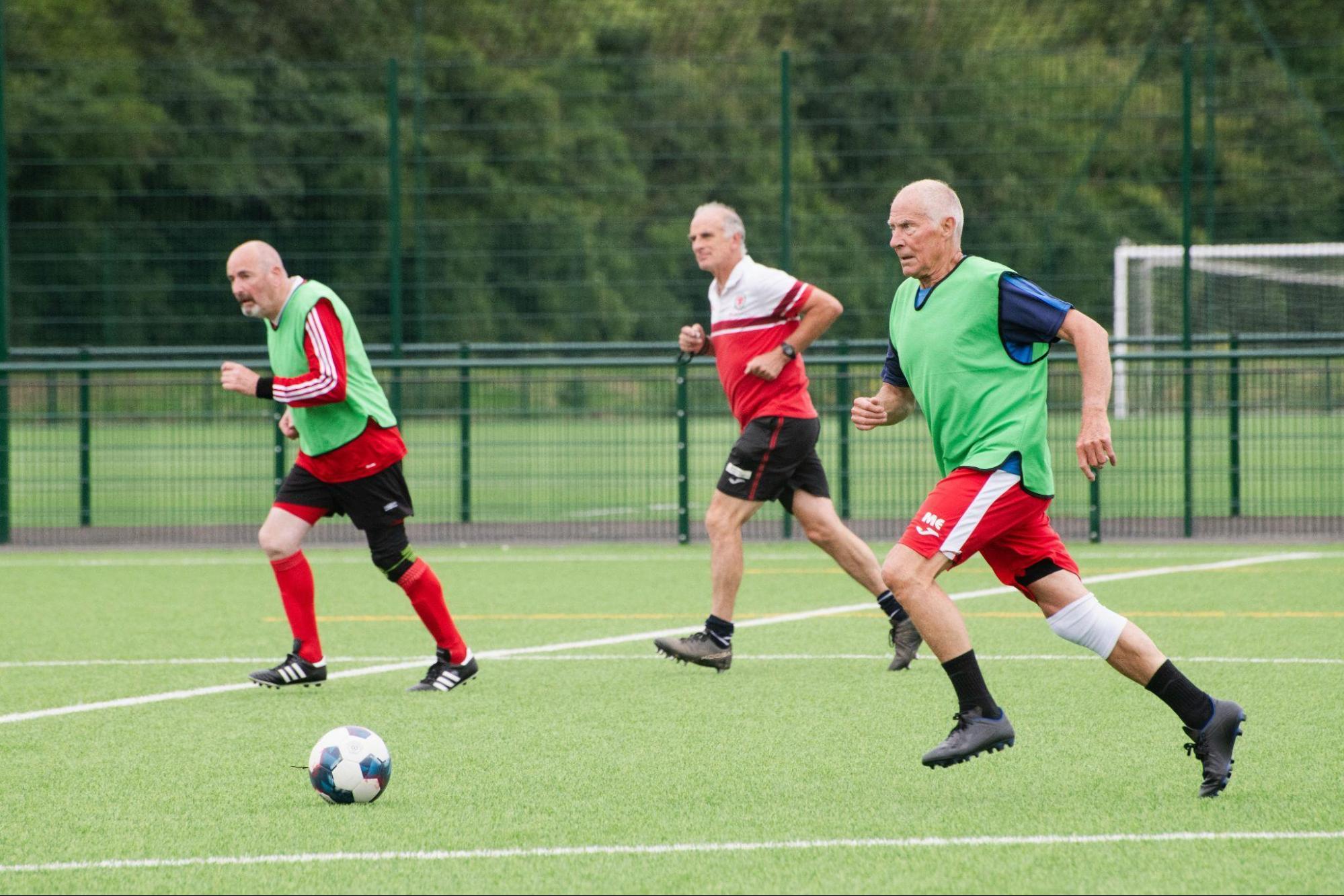
Walking with a friend, working in the garden, cycling, dancing or swimming can all provide opportunities to move without creating the feeling of following a strict fitness programme.
Enjoyment matters because consistency tends to come from activities people want to return to.
Variety can also help. Someone might walk on most days, add light resistance exercises a few times each week and choose a recreational activity at the weekend.
There is no requirement for every active person to follow the same routine.
The best type of movement is usually one that suits current ability, fits naturally into the week and can be performed without creating unnecessary discomfort.
Keep Strength and Balance in the Picture
Cardiovascular activity often receives the most attention, but strength and balance also become increasingly valuable with age.
Simple resistance exercises can help maintain the physical abilities needed for everyday tasks such as climbing stairs, carrying shopping or getting up from a chair.
Balance work can be equally practical.
Exercises do not necessarily need specialist equipment. Depending on ability, bodyweight movements, resistance bands or light weights may provide enough challenge.
The key is gradual progression. Trying to copy a workout designed for someone with a completely different fitness level can create unnecessary frustration.
Anyone returning to exercise after a long break, particularly with existing health concerns, should consider discussing an appropriate level of activity with a qualified healthcare professional.
Protect Sleep Instead of Treating It as Spare Time
Busy days can encourage people to extend the evening simply to gain more personal time.
Unfortunately, regularly sacrificing sleep may make the following day feel harder, which can then reduce motivation for physical activity.
A consistent bedtime routine can help create a clearer end to the day. Lower lighting, less screen time and a bedroom that feels calm rather than cluttered may make it easier to settle.
Sleep schedules do not need to be perfect, but consistency can be useful.
It also helps to notice whether late meals, caffeine or evening habits appear to interfere with rest and adjust them if necessary.
Activity and recovery work together. Protecting sleep can therefore be just as important as finding time for another workout.
Think in Terms of Independence, Not Performance
Remaining active does not have to mean chasing personal records.
For many people, the more meaningful goal is maintaining the ability to do everyday things comfortably and independently. Walking around town, travelling, playing with grandchildren, completing household jobs or enjoying hobbies can all provide better measures of progress than speed or distance.
This shift in perspective can also make movement more motivating.
A short strength session becomes connected to carrying groceries more easily. Regular walks support the ability to enjoy longer days out. Balance exercises become relevant to confidence during ordinary movement.
Ageing brings changes, but activity can adapt alongside them.
The aim is not to train exactly as someone did twenty years earlier. It is to keep moving in ways that support the life they want to continue living.
Small amounts of regular activity, enough recovery, good sleep and manageable self-care routines can all contribute to that goal. When those habits are sustainable, staying active becomes less about fighting age and more about continuing to make everyday life feel capable, comfortable and enjoyable.