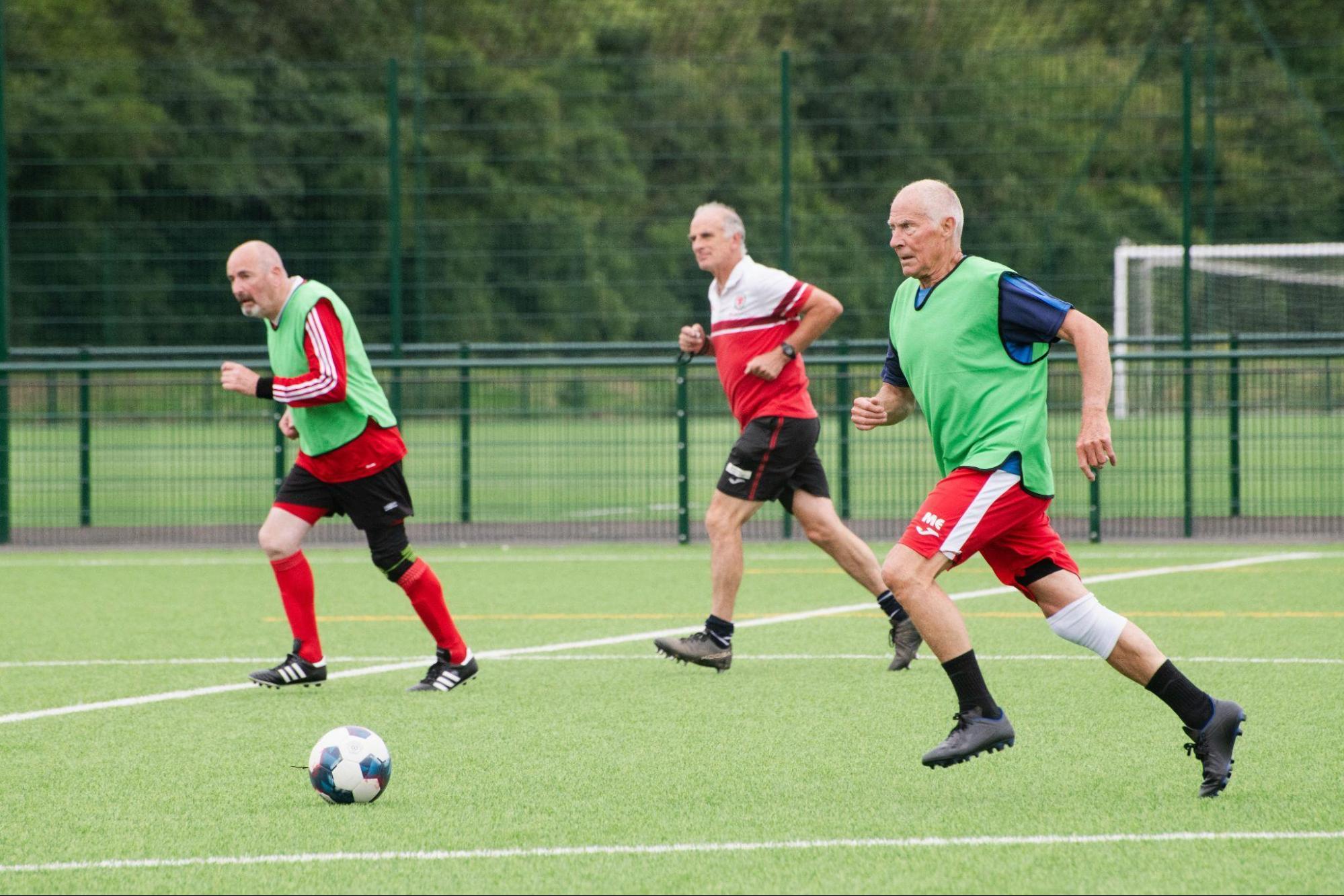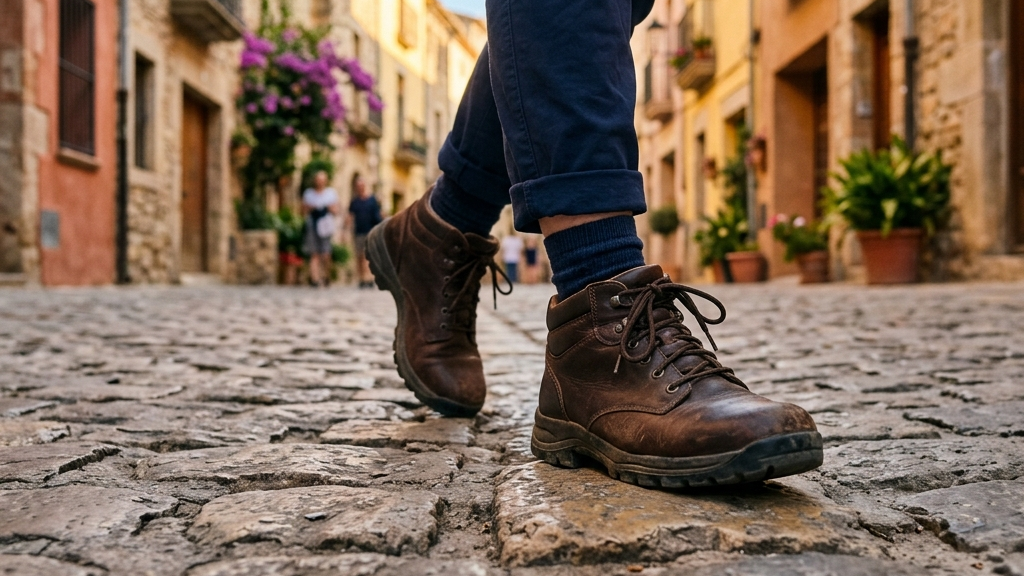
Grandparenting is one of life’s greatest joys, filled with chasing toddlers in the backyard, walking through local parks, and embarking on multi-generational family vacations. Staying active is not just about keeping up with the grandchildren; it is also a cornerstone of healthy, independent aging.
However, many grandparents find their daily adventures cut short by foot fatigue, knee stiffness, or joint discomfort. More importantly, age-related changes in foot structure can compromise balance, increasing the risk of slips and falls. To stay mobile and enjoy every moment with family, choosing the right foot support is one of the most critical health decisions mature adults can make.
How the Feet Age
Just like the rest of the body, our feet undergo significant changes as we get older. Over decades of walking and weight-bearing, the ligaments and tendons that hold the foot’s structural arches together naturally stretch and weaken. This gradual loosening causes the arches to flatten, a condition often referred to as progressive arch collapse or overpronation.
At the same time, the natural protective fat pad on the sole of the foot—specifically under the heel and the ball of the foot—gradually thins out. Without this built-in cushioning and structural height, walking on hard surfaces can cause direct impact stress on the bones and joints, leading to conditions like plantar fasciitis and heel spurs.
The Link Between Foot Health and Balance
While foot soreness is uncomfortable, ankle instability and poor foot posture represent a direct safety hazard. The feet are the body’s only contact point with the ground, containing thousands of nerve endings that provide constant sensory feedback to the brain about balance and positioning (a process known as proprioception).
When the arches collapse, the ankle rolls inward, causing a misalignment that extends up through the knees, hips, and lower spine. This skeletal misalignment makes it harder for the body to detect minor shifts in terrain, such as stepping from a carpeted floor to a slick hardwood hallway or walking on uneven grass at a playground. An unstable foundation significantly increases the likelihood of a trip or fall, which can have serious health consequences for seniors.
Moving Beyond Simple Cushioning
When seniors experience sore feet, their immediate reaction is often to seek out the softest, most pillowy shoes available. While extra cushioning feels comfortable for the first few minutes, it can actually decrease stability.
Ultra-soft foam or gel insoles compress completely under weight, offering no lateral stability for the heel or structural lift for the arch. Walking on excessively soft soles is akin to walking on sand; it forces the muscles in the feet and calves to work overtime to keep the ankles stable, actually accelerating muscular fatigue.
The Power of Structured Support
To prevent fatigue and maintain balance, mature adults require structured support that stabilizes the foot’s joints. High-quality orthotics designed for active seniors achieve this through a combination of structural features:
- Rigid Nylon-Core Support: Instead of soft foam, a firm, semi-flexible nylon core holds the arch at a healthy height, preventing collapse and ensuring even weight distribution across the entire sole.
- Deep Heel Cups: A deep heel cup cradles the heel’s fat pad, keeping the heel centered and preventing the ankle from rolling inward or outward.
- Firm Midsole Stabilization: Proper shoes or inserts should resist twisting (torsional rigidity) to provide a solid platform when stepping on uneven outdoor paths.
Incorporating structured orthotic arch support inserts into daily footwear helps realign the lower limbs, absorbing impact and providing the solid foundation necessary for comfortable, stable walking.
Simple Steps to Protect Your Mobility
In addition to using supportive insoles, grandparents can protect their balance with a few simple habits:
- Measure Feet Regularly: Foot size can increase as arches flatten over time. Always get measured while standing to ensure your shoes aren’t pinching or restricting your gait.
- Practice Balance Exercises: Simple routines, like standing on one foot while holding onto a kitchen counter, can help preserve ankle strength and neurological proprioception.
- Inspect Shoe Wear: Check the soles of your walking shoes regularly. If the heels are worn down on one side, it will force your ankles to tilt, increasing fall risks. Replace worn shoes promptly.
By choosing supportive, biomechanically sound footwear, you can protect your joint health, keep your balance steady, and continue creating beautiful, active memories with your grandchildren for years to come.