Oldsters, youngsters, and linchpins
BY: STEVE CHASIN
Lately, I’ve felt like the old Greek sage passing down wisdom and knowledge to the “youngsters”. While visiting the FDR Memorial in Washington, D.C., once, I pointed to the newsreel about the Battle of the Bulge, then to my father-in-law and said he was in that battle. She answered, “I never realized how many countries were in World War 2.” This was only the beginning.
Recently, I was chatting with a fellow volunteer at a local hospital. This young lady, a graduate of a well-known university, is articulate and focused as she prepares for the MEDCAT exams, the next step toward becoming a physician. Her undergraduate major is centered on chemistry, physics, calculus, and biology. Our conversation ended up at the Vietnam War when she asked if the war happened during the Depression. I laughed, corrected her, and shook my head.
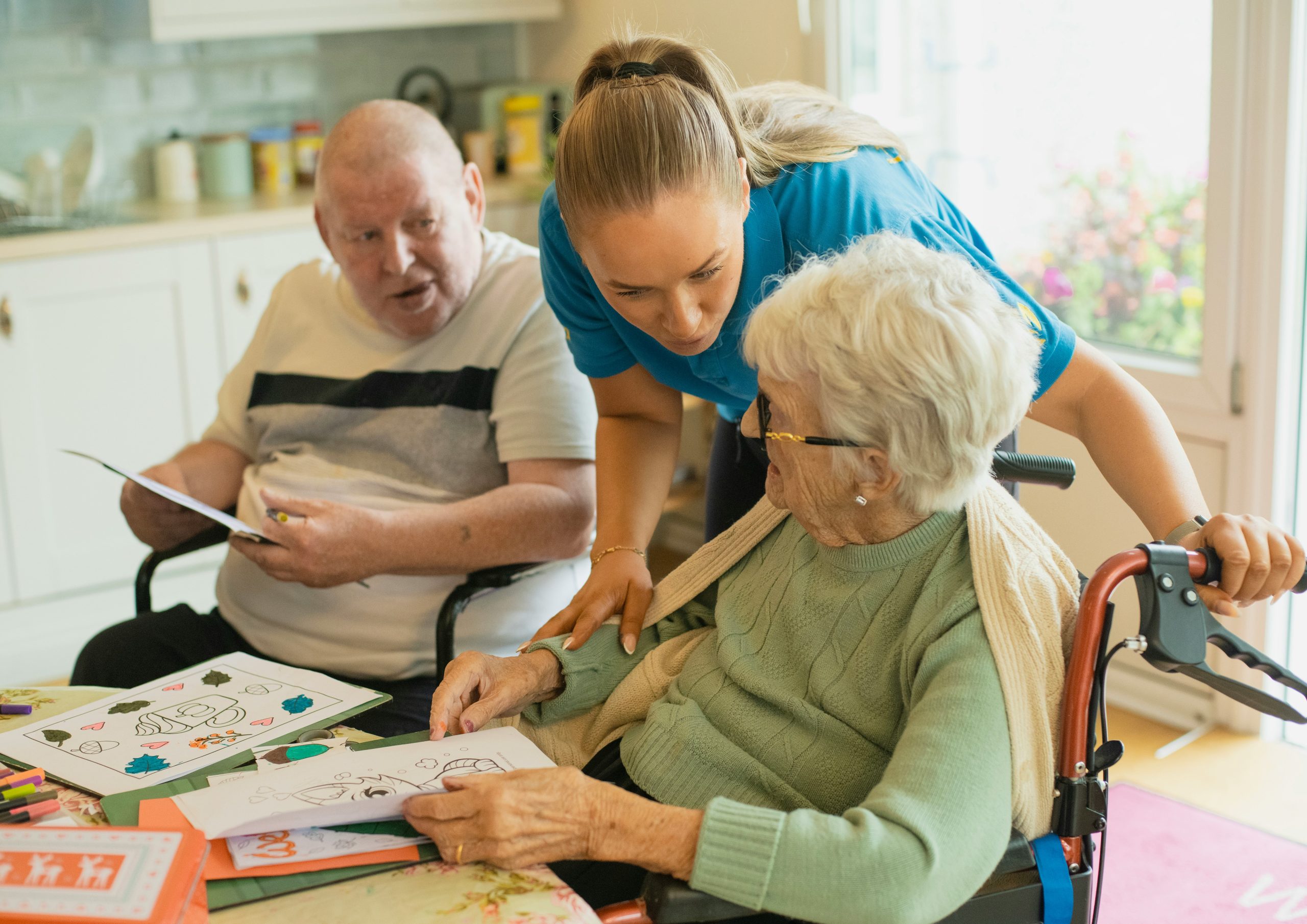
I’m not a trained historian, so I’m not laughing at the young people’s lack of knowledge. That is on us oldsters. Rather, these stories are opportunities to transmit history to new ears. After I supplied the details, the young people appreciated the “new” historical knowledge. I am now a linchpin.
“The greatest gift you can give a child or grandchild is what you empower and allow them to teach you. “
 This role transcends just providing facts; that’s Wikipedia’s job. Instead, we show and discuss how to apply yesterday’s knowledge to help them navigate today and tomorrow. Because the educational system stresses STEM (Science, Technology, Engineering and Math), our youngsters lose a broader understanding of events that affect them now and in the future: economics as they look for jobs, groceries and houses; ethics for a moral compass to make decisions in business and life; religion for centuries-old roots to feel part of a community; history to provide a context of past and present events such as civil rights, America’s 250th birthday; and politics to scrutinize and vote intellectually.
Interacting with youngsters shows me they are our linchpins for today and tomorrow. Now I fully appreciate the observation from the former Chief Rabbi of Great Britain, who said: “The greatest gift you can give a child or a grandchild is what you empower and allow them to teach you. “[1] For instance, their facility with technology starts as toddlers and young children. They picked up the techno speak of “LOADING, POWER ON, WIFI NOT CONNECTED” as their early phrases. Later, as teenagers, they fix problems with a lightning push of buttons. As university students, they are fully immersed in both the theory and practice of technology. I saw this when 10 doctoral students were interns in my office. I offered them manuals for the software recently installed on their office computers. Looking at me in amazement, they waved me away with the statement, “We’ll figure it out.” A week later, one of them rattled off the solution to a problem by explaining the software’s capabilities as though they designed it. Young people integrate technology into their DNA instead of memorizing instructions.
Youngsters can be our guides as we face new technology and ways of thinking. We can link the new events and insights to the old ones. This is the covenant: two equals join to accomplish more than we could do alone.