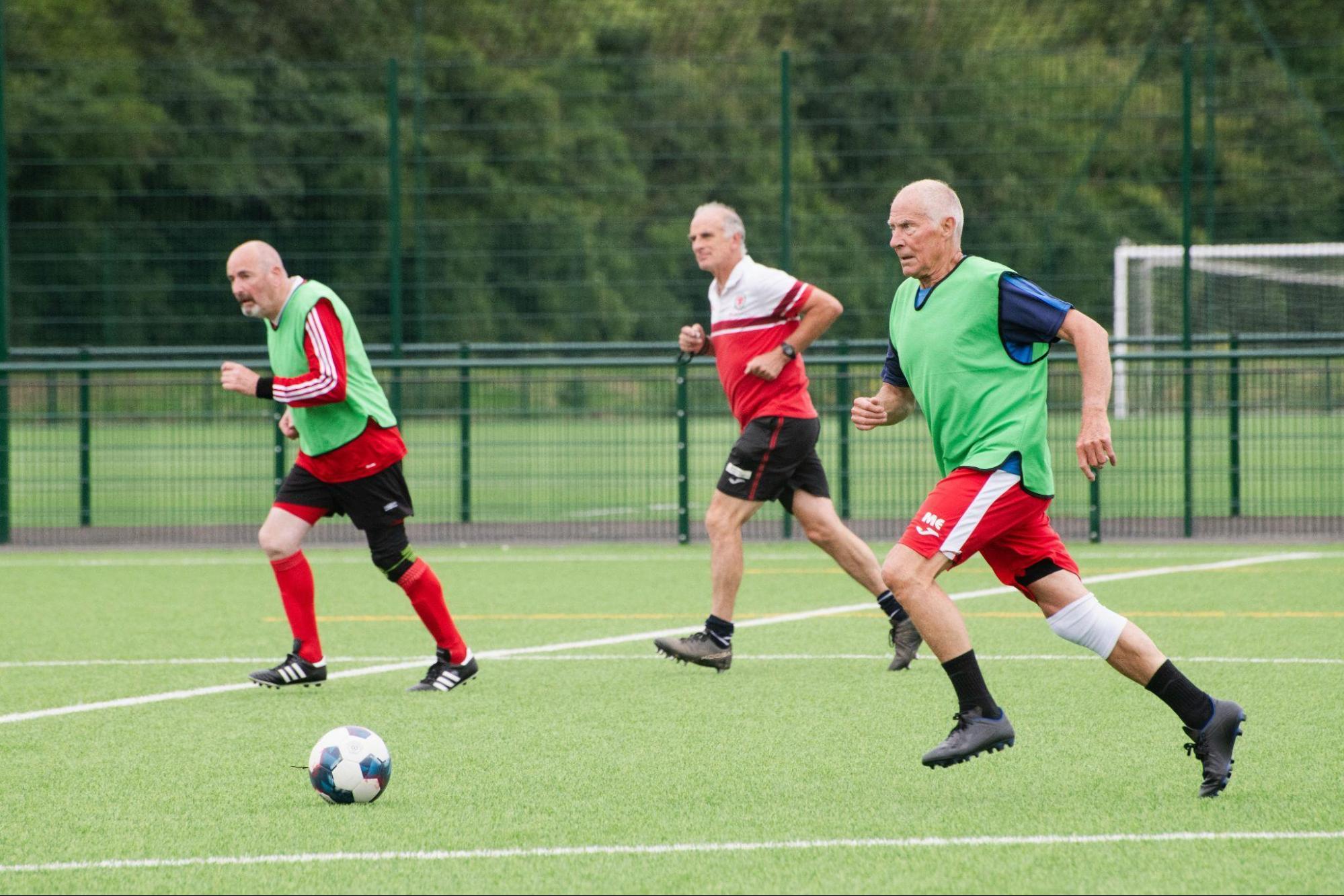
Retirement is often described as a time to slow down, but that does not mean giving up competition. For many people, stepping away from full-time work creates room to return to activities that provide goals, structure and the satisfaction of getting better at something.
Competition does not have to be intense to be meaningful. A weekly golf match, local tournament, bowling league or friendly card game can provide enough challenge to make an ordinary week more interesting.
The appeal is partly social, but there is also value in measurable progress. Learning a new skill or improving an old one gives retirement a sense of momentum that can be difficult to replace once the routines of working life disappear.
Golf Makes Progress Easy to See
Golf works particularly well because improvement can be measured in many different ways. Scores matter, but so do consistency, driving accuracy and the ability to manage a difficult hole more intelligently.
Technology has made that process even easier to follow. Someone exploring equipment and training options through https://indoorgolfoutlet.com/ can see how launch monitors provide data on shots that would once have been judged mainly by feel. That gives recreational golfers concrete targets without requiring every round to become a serious competition.
The result is a useful balance: the game stays social, while the numbers provide enough feedback to keep improvement interesting.
Competition Can Give the Week More Structure
Work naturally creates deadlines, meetings and regular schedules. Retirement removes much of that structure, which can feel liberating at first but may eventually leave weeks feeling less defined.
Recurring activities help.
A Tuesday golf league or Friday tennis match creates something to prepare for and anticipate. The event becomes a fixed point around which other plans can be arranged.
That structure does not need to feel rigid. The value comes from having commitments chosen for enjoyment rather than obligation.
Competition adds another layer because every session has a small purpose. There is always a score to improve, an opponent to face or a personal target to reach.
Friendly Rivalries Make Activities More Social
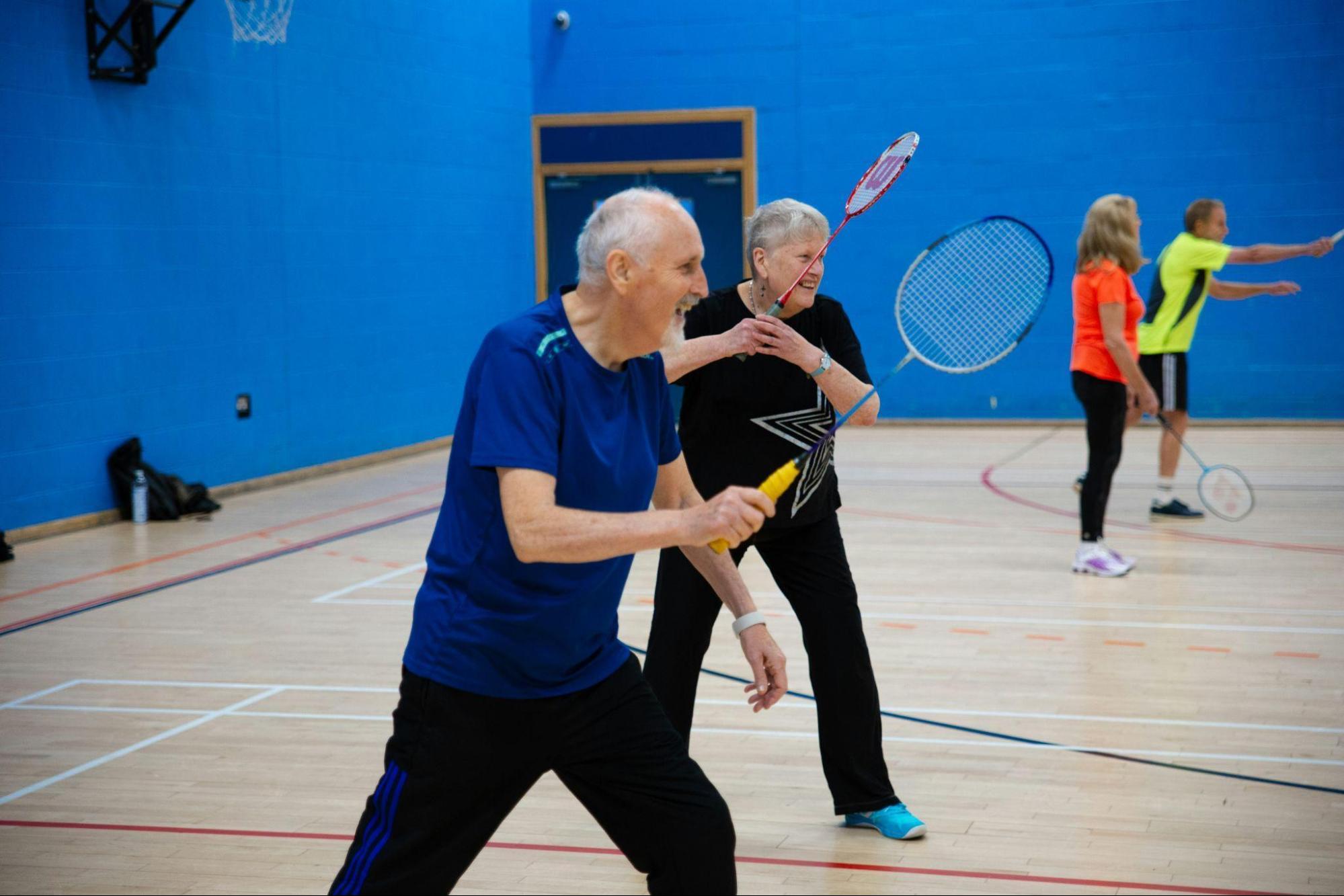
Many recreational competitions work because the rivalry stays lighthearted.
Friends may compare scores, track a season-long competition, or argue over a close finish without taking the result too seriously. Those shared experiences create stories and traditions that extend beyond the activity itself.
This social side becomes particularly valuable after retirement, when daily contact with colleagues may disappear.
Joining a league or regular group creates repeated opportunities to see the same people rather than relying only on occasional plans.
New friendships can develop naturally because everyone already has a shared interest.
The competition gives people a reason to meet, but the relationships often become the more important reason to continue.
Learning Something New Keeps the Challenge Fresh
Retirement is also a good time to become a beginner again.
Someone who has always played golf might try pickleball, while another person may finally learn chess, swimming, or another activity they never had time to pursue properly.
Being new at something creates a different kind of competition.
The first goal may simply be understanding the rules or completing a session comfortably. Later, those targets become more demanding as confidence grows.
This gradual progression can be highly satisfying because improvement is easy to notice.
There is also less pressure than there might have been earlier in life. The objective does not need to be professional achievement. Learning itself can be enough.
The Best Competition Is Sustainable
Not every competitive activity needs to involve pushing physical limits.
Retirement is a good time to choose challenges that suit current fitness, mobility and interests rather than trying to recreate what was possible decades earlier.
Golf, swimming, cycling, bowling and many racket sports can all be adapted to different levels of intensity. Mental competitions such as chess, bridge and quizzes provide another option entirely.
Recovery matters too.
A schedule that leaves enough time between demanding activities is more useful than one that turns every week into a test of endurance.
The objective is to maintain something enjoyable over the long term. Competition should provide energy and motivation, not make the activity feel like another job.
Retirement Does Not Have to Mean Losing Ambition
Ambition changes when work is no longer the centre of the week.
Instead of promotions and professional targets, goals can become more personal: lowering a handicap, winning a local tournament, mastering a new skill or simply beating last month’s score.
Those targets may be smaller, but they can still provide a strong sense of achievement.
Retirement offers something that working life often does not: the freedom to choose what is worth getting better at.
For people who have always enjoyed a little competition, that can make this stage of life especially rewarding.
The workplace may no longer provide the scoreboard, but there are plenty of other ways to keep score.