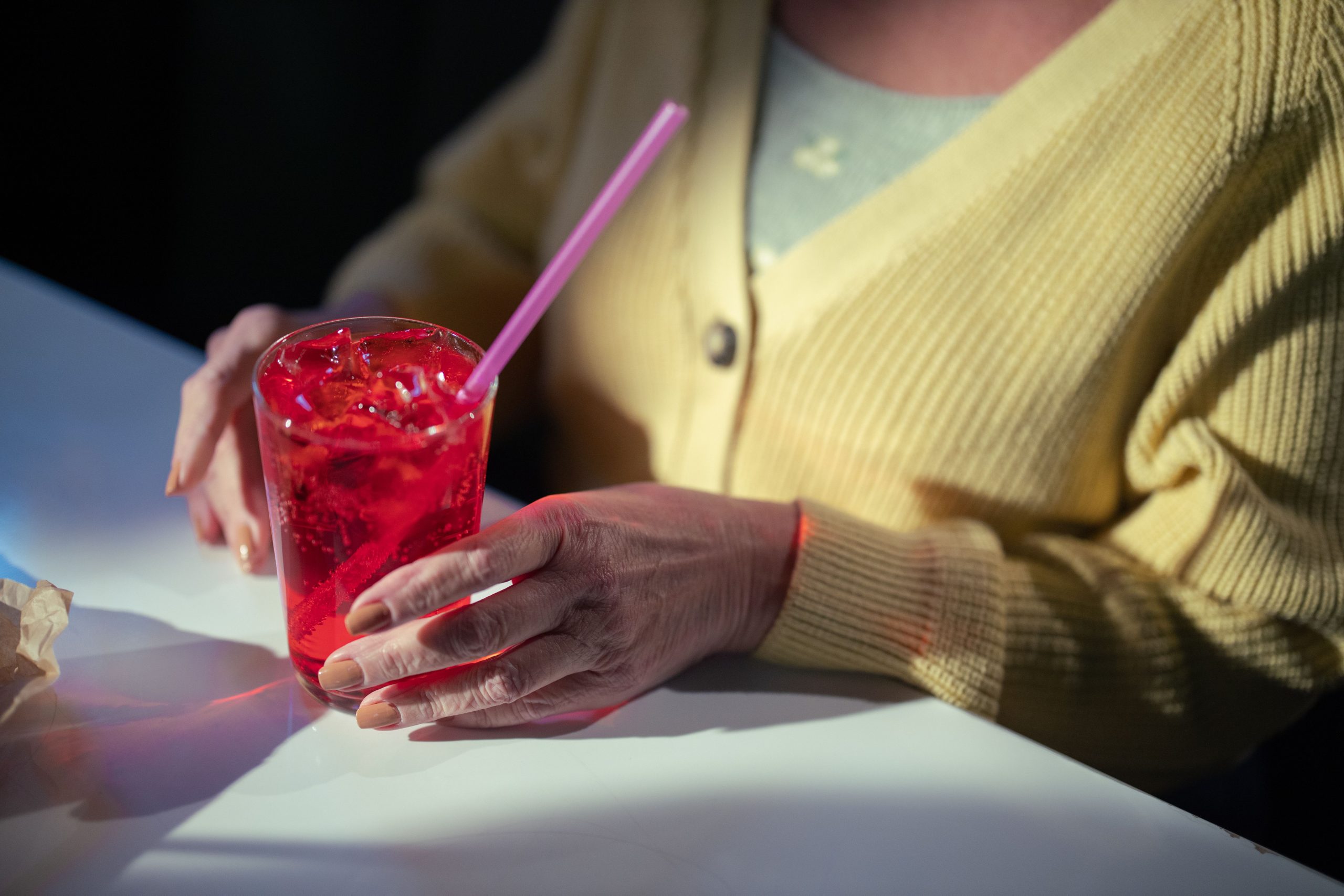
For many people, drinking alcohol is simply part of socialising. A glass of wine after work, a few pints with friends or cocktails on a night out can feel like harmless ways to relax and connect with others. However, when social drinking becomes a regular part of life, it is worth considering whether it could be affecting your mental wellbeing.
Alcohol can temporarily make people feel more relaxed and sociable, but its effects do not necessarily end when the night is over. Regular drinking, even when it does not appear excessive, can influence mood, sleep, anxiety levels and emotional resilience. And that’s not to mention the “a” word – addiction!
When Social Drinking Becomes a Routine
There is an important difference between occasionally enjoying a drink with friends and feeling that alcohol is necessary to enjoy social situations.
If you regularly find yourself planning your week around opportunities to drink, automatically ordering alcohol whenever you meet friends, or feeling disappointed when social plans do not involve drinking, it could be worth examining your habits.
Social drinking can become normalised because it is often encouraged by the people and environments around us. If your friendship group, workplace or social calendar frequently revolves around alcohol, drinking regularly may not initially feel unusual.
However, frequency matters. Drinking several times a week can gradually become an established routine, even if you would not consider yourself a heavy drinker.
Alcohol and Your Mood
Alcohol is a depressant, meaning it affects the brain and central nervous system. While it can initially produce feelings of relaxation and confidence, these effects can be followed by lower mood, irritability or anxiety as the alcohol wears off.
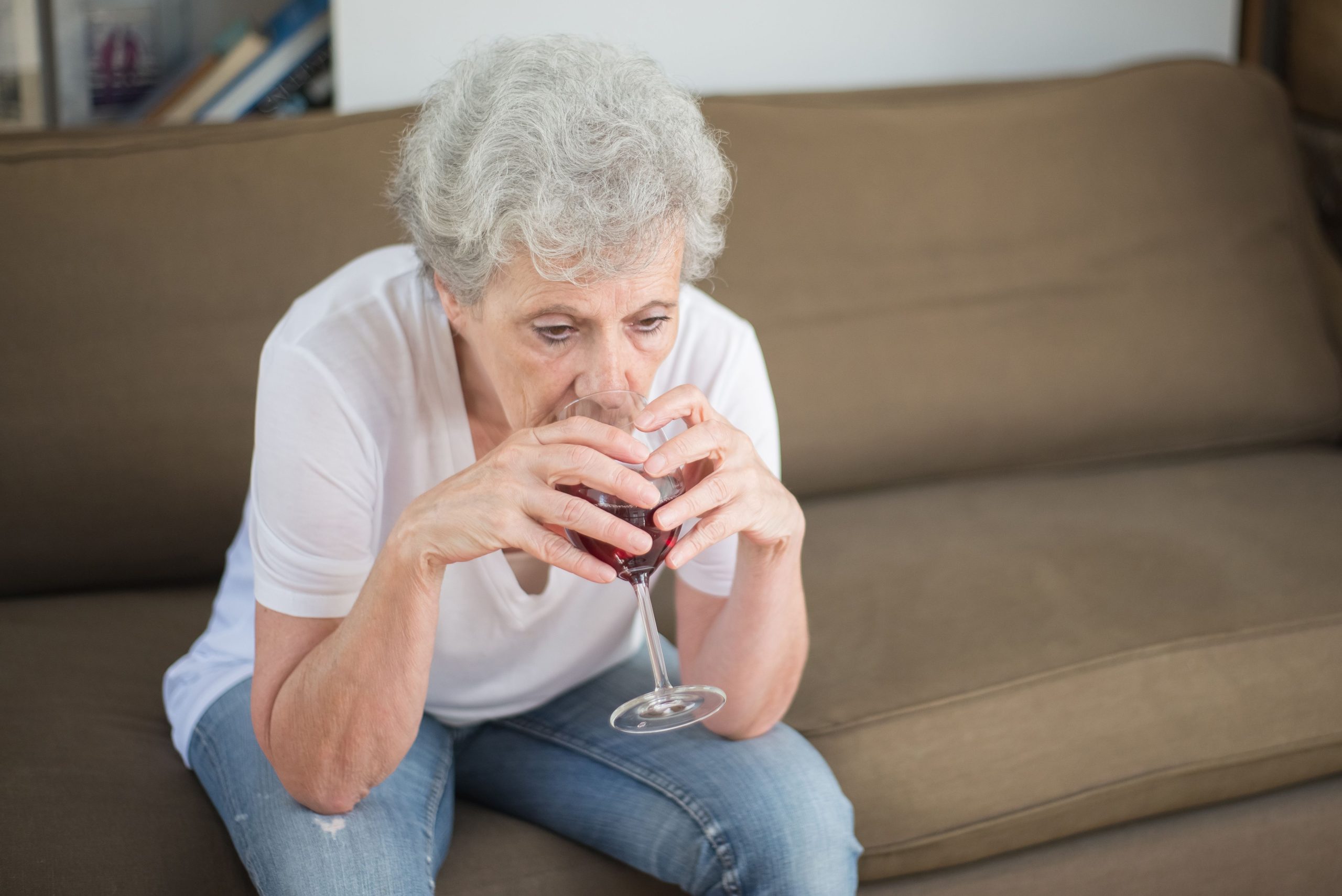
For someone already experiencing stress or difficult emotions, using alcohol as a way to unwind can create a cycle. You may drink because you feel anxious or overwhelmed, experience temporary relief, and then find those feelings returning afterwards.
Over time, relying on alcohol to manage emotions can make it harder to develop healthier coping strategies.
The Impact on Sleep
One of the less obvious ways social drinking can affect mental wellbeing is through sleep.
Although alcohol can make you feel sleepy, it can disrupt the quality of your sleep later in the night. You may wake more frequently, experience less restorative sleep or find yourself feeling tired the following morning.
Poor sleep can have a significant impact on mood, concentration and stress levels. If you regularly combine late nights with alcohol, the resulting tiredness may contribute to feeling mentally and physically drained.
Are You Drinking to Cope?
Perhaps the biggest question to ask is why you are drinking.
There is nothing inherently wrong with enjoying alcohol as part of a social occasion. However, it may be a warning sign if you increasingly use alcohol to deal with loneliness, workplace stress, relationship problems, anxiety or low mood.
Other signs to consider include drinking more than you originally intended, finding it difficult to cut back, experiencing strong cravings or feeling guilty about how much you drink.
These signs do not automatically mean that someone private rehab UK or EU, but they can indicate that it is time to take a closer look at your relationship with alcohol.
Making Socialising Less About Alcohol
If you are concerned about your drinking, small changes can make a difference. Try suggesting activities that do not centre around alcohol, alternate alcoholic drinks with soft drinks, or introduce alcohol-free days into your week.
You could also pay attention to how you feel before and after drinking. Keeping track of your mood, sleep and energy levels may reveal patterns that are difficult to notice otherwise.
Most importantly, remember that you do not need to wait until drinking becomes a serious problem before asking for support. Speaking to a GP, counsellor or addiction support service can help you understand your habits without judgement.
Socialising should support your wellbeing, not undermine it. If alcohol has gradually become a requirement for relaxing, connecting or coping, taking a step back could be an important step towards protecting your mental health.