Alcohol and mental health can be closely connected, with regular or excessive drinking potentially affecting mood, sleep, anxiety and emotional wellbeing. While enjoying alcohol occasionally does not necessarily indicate a problem, changes in your relationship with drinking can sometimes be a sign that it is beginning to have a negative impact.
If you notice any of the warning signs below, it may be worth speaking to a healthcare professional or addiction specialist for advice and finding out whether you could benefit from alcohol rehab in Warwickshire or anywhere else across the UK. Seeking support does not necessarily mean that you have an addiction; it can simply provide an opportunity to understand your drinking and its potential effects on your mental health.
Here are five signs to look out for.
1. Your Mood Changes After Drinking
One potential warning sign is noticing significant changes in your mood when drinking or in the days afterwards.
Alcohol can initially make some people feel relaxed, sociable or confident. However, these effects can wear off, potentially leaving feelings of irritability, sadness or anxiety.
If you regularly find yourself feeling low, frustrated or emotionally unsettled after drinking, it may be worth considering whether alcohol is contributing to these changes.
Keeping track of your mood alongside your drinking habits can sometimes help you identify patterns.
2. You Drink to Cope With Difficult Emotions
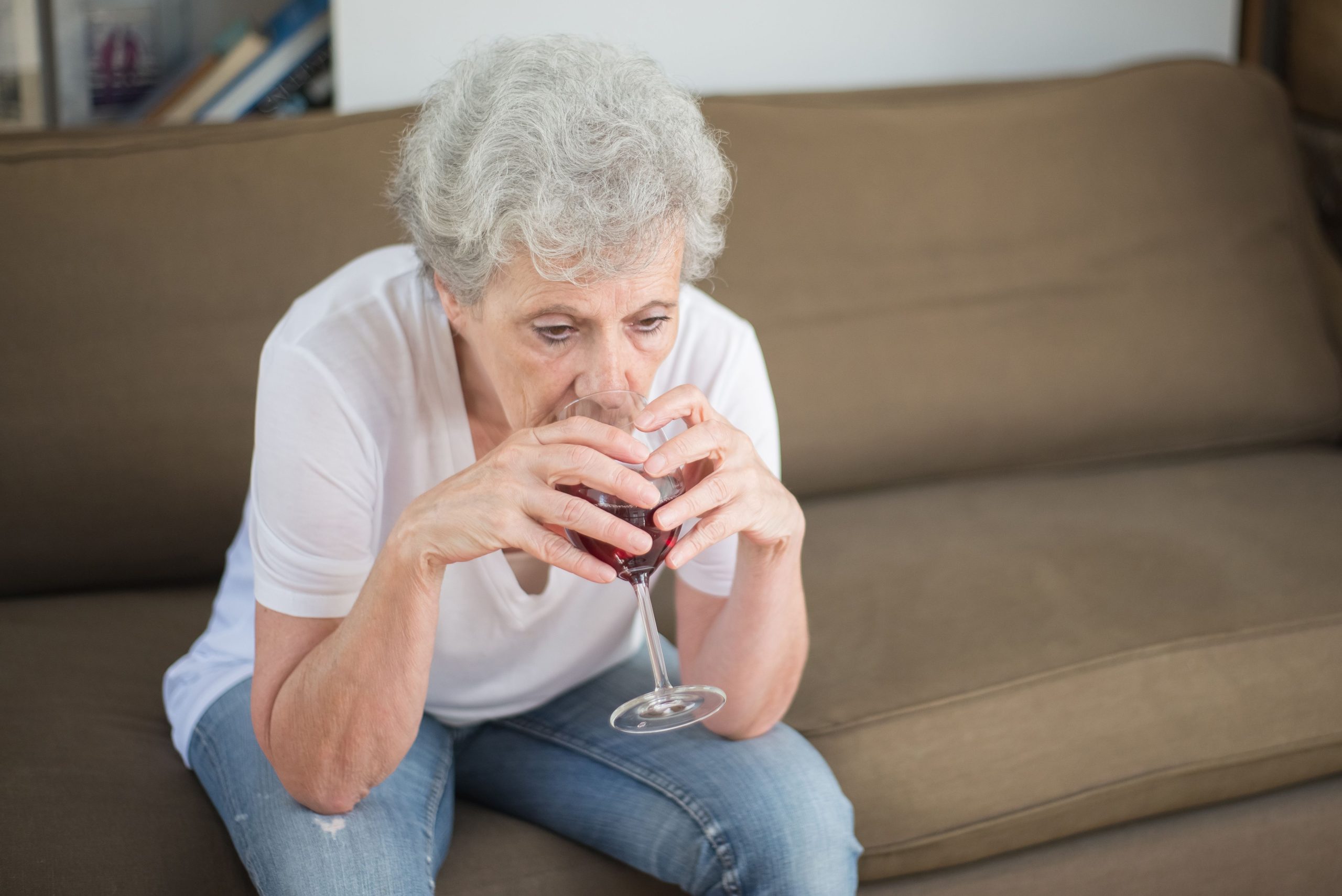
Using alcohol as a way to manage stress, anxiety, loneliness or sadness can be an important warning sign.
Having a drink after a difficult day is common, but problems can arise when alcohol becomes your primary coping mechanism. You may begin to feel that you cannot relax, socialise or deal with difficult emotions without drinking.
Over time, this can create a cycle where uncomfortable feelings lead to drinking, followed by consequences that create further emotional distress.
Developing alternative coping strategies, such as exercise, talking to someone you trust or seeking professional support, can help break this pattern.
3. Your Anxiety Is Getting Worse
Although alcohol may temporarily make you feel more relaxed, drinking can sometimes contribute to increased anxiety once its effects wear off.
You may notice feeling particularly anxious the morning after drinking, worrying about what happened while you were intoxicated or experiencing a general sense of unease.
If you find yourself repeatedly drinking to calm anxiety, only to experience more anxiety later, this could indicate that alcohol is becoming part of the problem rather than the solution.
4. Your Sleep Is Suffering
Alcohol can make some people feel sleepy, but this does not necessarily mean it improves sleep quality.
Regular drinking can disrupt normal sleep patterns, potentially leaving you feeling tired and unrefreshed. Poor sleep can then affect concentration, motivation and mood during the day.
This can create another difficult cycle: drinking affects sleep, poor sleep affects mental wellbeing and alcohol is then used again as a way to relax.
If your sleep has noticeably deteriorated alongside increased alcohol consumption, it may be worth discussing the situation with a professional.
5. You Feel Unable to Control Your Drinking
Perhaps the most important warning sign is feeling that you have less control over how much or how often you drink.
You might regularly intend to have one or two drinks but find yourself consuming considerably more. Alternatively, you may repeatedly promise yourself that you will cut down but struggle to stick to your plans.
Other signs can include prioritising alcohol over activities you previously enjoyed or continuing to drink despite recognising that it is affecting your relationships, work or wellbeing.
These can be indications that professional advice would be beneficial.
Taking Your Mental Health Seriously
Recognising that alcohol may be affecting your mental health is an important first step. You do not need to wait until drinking has caused serious consequences before seeking support.
A GP, counsellor or addiction specialist can help you understand your drinking patterns and explore appropriate options. For some people, this may include alcohol rehabilitation alongside ongoing support for their mental health.
If you think you may be physically dependent on alcohol, it is particularly important to seek medical advice before suddenly stopping, as withdrawal can sometimes be serious.
Ultimately, recognising the warning signs early can give you an opportunity to make changes before alcohol has a greater impact on your mental health, relationships and quality of life.