Independent living has evolved significantly over the past decade, with modern support solutions empowering people with disabilities to live fuller, more autonomous lives. Gone are the days when the only option was institutional care. Today, a combination of technology, personalized services, and community programs offers choices tailored to individual needs. In this blog, we explore the most impactful support solutions that make independent living a reality for many.
Personalized In-Home Care
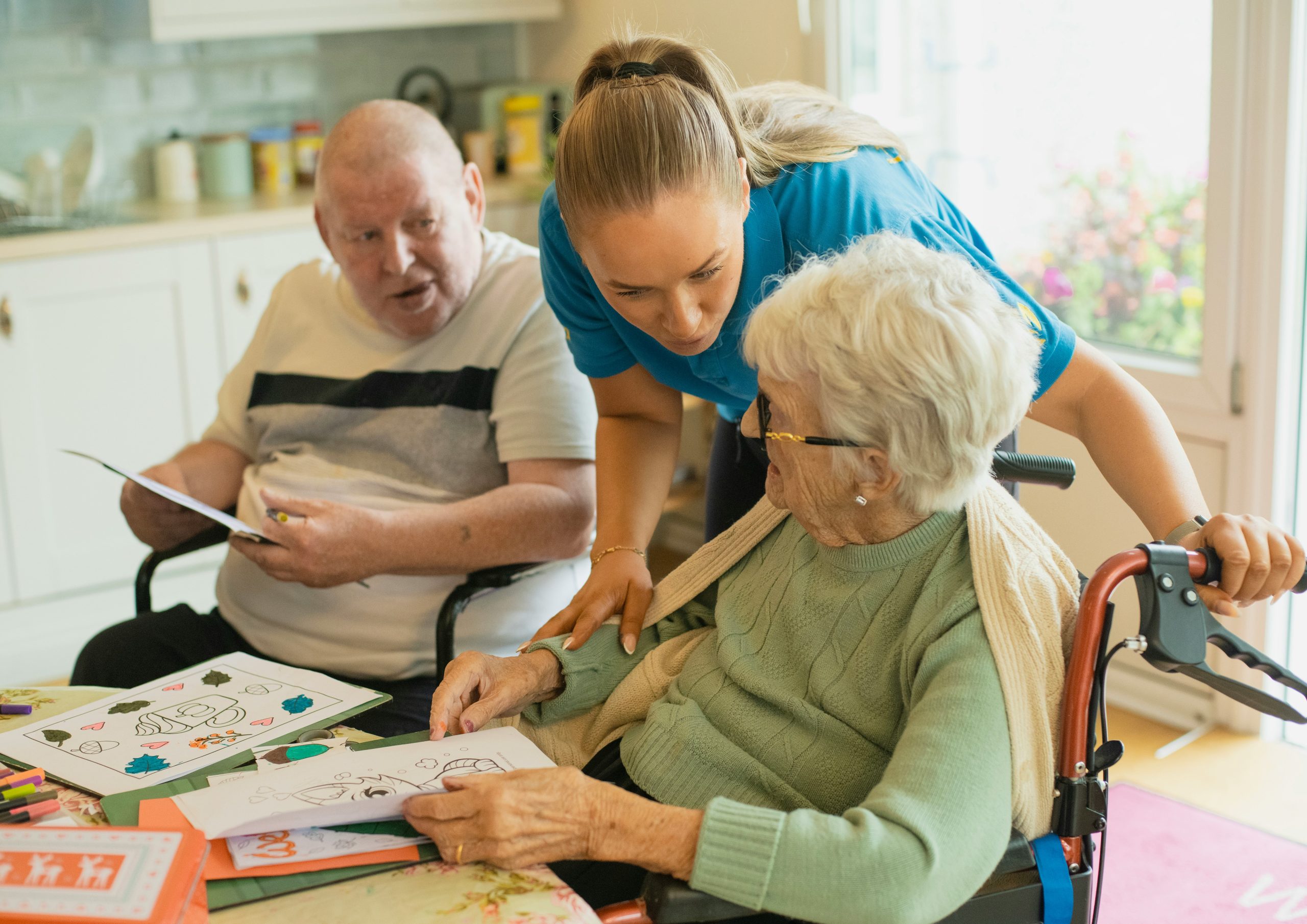
One of the most transformative approaches to supporting independent living is personalized in-home care. Instead of relocating to a facility, individuals can remain in the comfort of their own homes while receiving targeted support. This might involve assistance with daily tasks like bathing, dressing, meal preparation, or medication management, all delivered by trained caregivers who respect personal routines and preferences.
For many families, services such as home care help for disabled people offer peace of mind knowing that professional support is available without compromising independence. These services can be scheduled around the individual’s lifestyle, ensuring support enhances rather than dictates daily life.
Assistive Technology and Smart Home Tools
Technology plays a huge role in modern independent living solutions. Today’s assistive devices range from simple mobility aids to sophisticated smart home systems that increase autonomy and safety.
Wearable alert devices, voice-activated assistants, and automated lighting systems are just a few examples of tools that can significantly reduce dependency on others. For people with mobility limitations, smart door openers, adjustable countertops, and remote-controlled blinds can make the home environment more navigable and comfortable.
These technologies not only improve ease of daily living but also foster dignity by allowing individuals to control their environment with minimal external assistance.
Transportation Support Services
Transportation is a key factor in maintaining independence. When reliable transportation is accessible, individuals can attend medical appointments, pursue education, participate in community events, and maintain social connections.
Modern transportation solutions include paratransit services, ride-sharing options tailored to special needs, and community shuttle programs. Some areas also offer volunteer driver programs, where trained drivers assist individuals who may not be able to use standard public transit.
Having access to reliable transportation reduces isolation and opens up opportunities for work, leisure, and social engagement that might otherwise be difficult to achieve.
Community Engagement Programs
Isolation can be a significant barrier to independent living, which is why community engagement programs are essential. These programs provide social, educational, and recreational opportunities designed specifically for people with disabilities.
Whether it’s an art class, a fitness group, or a peer support circle, these programs encourage connection and skill development. They create safe spaces where individuals can build relationships, share experiences, and find encouragement.
Local community centers, nonprofit organizations, and advocacy groups often host these activities, making them accessible and inclusive. Regular participation in these programs can improve mental well-being, confidence, and overall quality of life.
Employment and Skill-Building Services
Independence is deeply tied to self-sufficiency, and employment plays a big role in that equation. Modern support services now include career development and job placement assistance for people with disabilities.
These services may include resume workshops, interview coaching, on-the-job support, and employer education. By connecting individuals to meaningful work opportunities and professional networks, support systems help cultivate financial independence and personal fulfillment.
Why Modern Support Matters
The shift toward individualized, flexible support solutions reflects a broader cultural understanding that independence looks different for everyone. Modern support services honor personal choice and adapt to individual lifestyles rather than the other way around.
From assistive technology to community resources, these solutions provide the building blocks for a life that’s not just lived, but lived well. By embracing a combination of in-home care, innovative tools, and community engagement, people with disabilities can achieve greater autonomy, confidence, and connection in their daily lives.